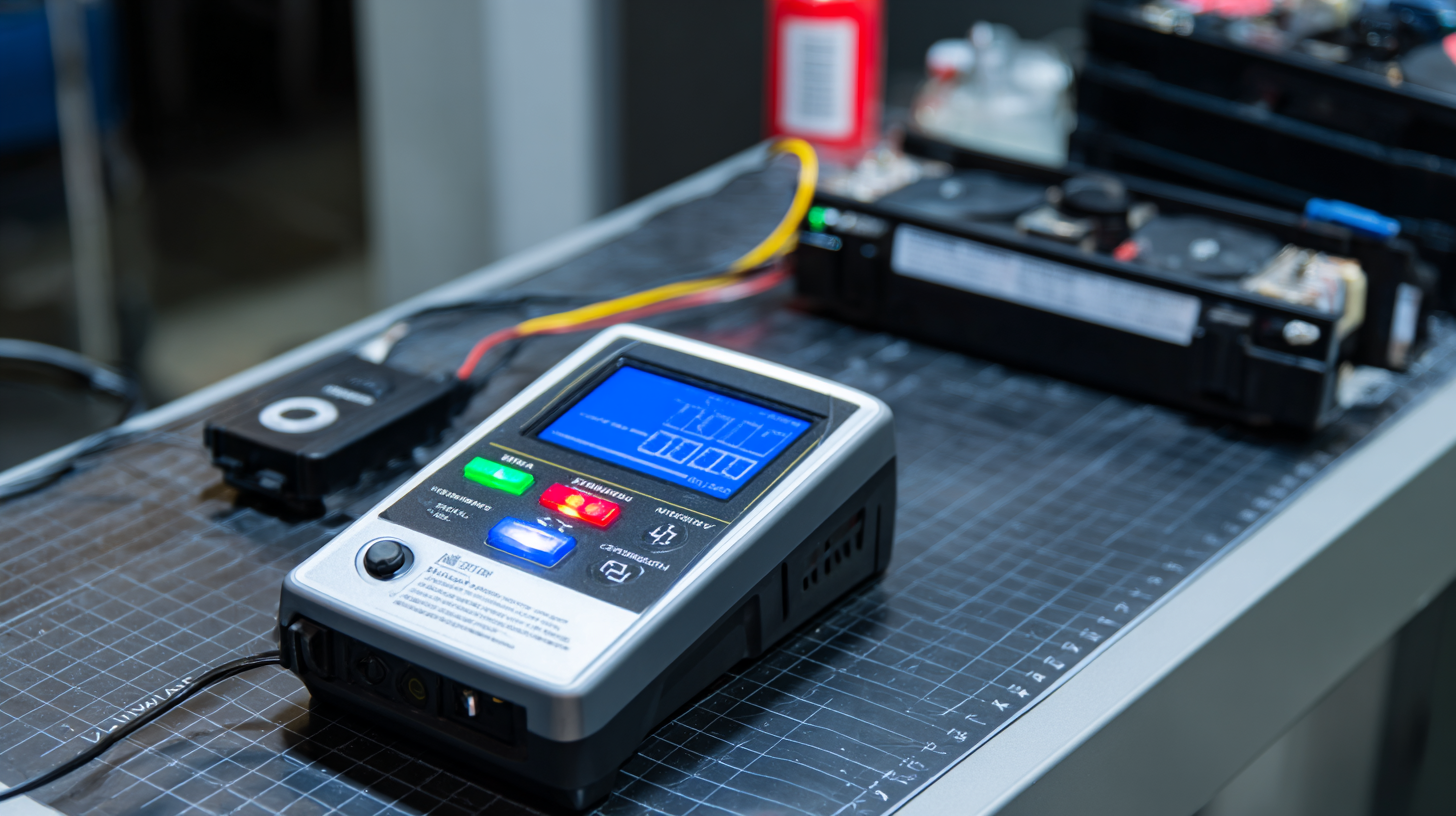
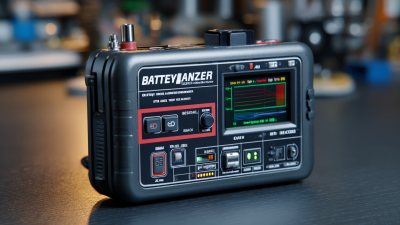
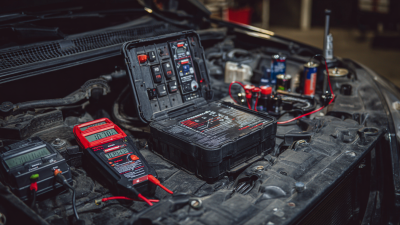
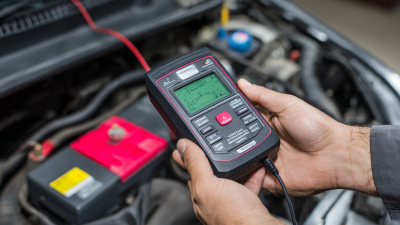
In today’s world, where energy is pretty much everything, finding a reliable and efficient Battery Analyzer has become more important than ever. I mean, just look at the stats—MarketsandMarkets predictsthat the global market for Battery Testing Equipment will hit aroundUSD 1.63 billion by 2025. That’s mainly because electric vehicles and renewable energy sources are really taking off.
Companies like Shenzhen Hongda New Energy Co., Ltd. are really making waves in this industry—they’ve already served over a thousand customers and set up sales networks in numerous countries. When you’re trying to pick out the right Battery Analyzer, there are a few key things to keep in mind—things like accuracy, versatility, and who makes it. In this blog, I’ll share five practical tips to help you choose the perfect Battery Analyzer for your needs. I’ll also include some insights and strategies from top suppliers like Hongda New Energy, so you can make an informed decision with confidence.
Understanding Your Battery Types and Their Needs
Picking the right battery analyzer isn’t just about grabbing any device off the shelf — you really need to understand the different battery types and what they need to perform at their best. For example, lead-acid, lithium-ion, and nickel-cadmium batteries all have their own quirks and requirements. Lithium-ion batteries, say, often need pretty exact voltage and current checks to make sure they’re charging and discharging properly. On the other hand, lead-acid ones usually focus on verifying specific gravity. When you get a grip on these differences, it’s way easier to choose an analyzer that matches your battery’s specific needs.
At Shenzhen Hongda New Energy Co., Ltd., we truly believe in offering solutions that are tailored to each customer. Since we started, we’ve helped a whole bunch of clients across different countries and regions, providing them with insights and high-quality products. Our goal is to understand what makes each battery type unique so that you get tools you can rely on for monitoring and managing your energy effectively. When you combine our know-how with the right analyzers, you can seriously improve your battery maintenance. That means better performance, longer lifespan — you name it.
Key Features to Look for in a Battery Analyzer
When you're choosing a battery analyzer, it’s super important to think about the key features that make it accurate and easy to use. Honestly, the most crucial thing is measurement accuracy—it can really impact how reliable your test results are. Interestingly, a report from Market Research Future mentioned that demand for precise battery testing tools has gone up by about 20%, mainly because more industries now need to check battery lifespans. A good-quality analyzer should give you exact readings of voltage, current, and capacity, so you can get a solid idea of the battery’s health without any guesswork.
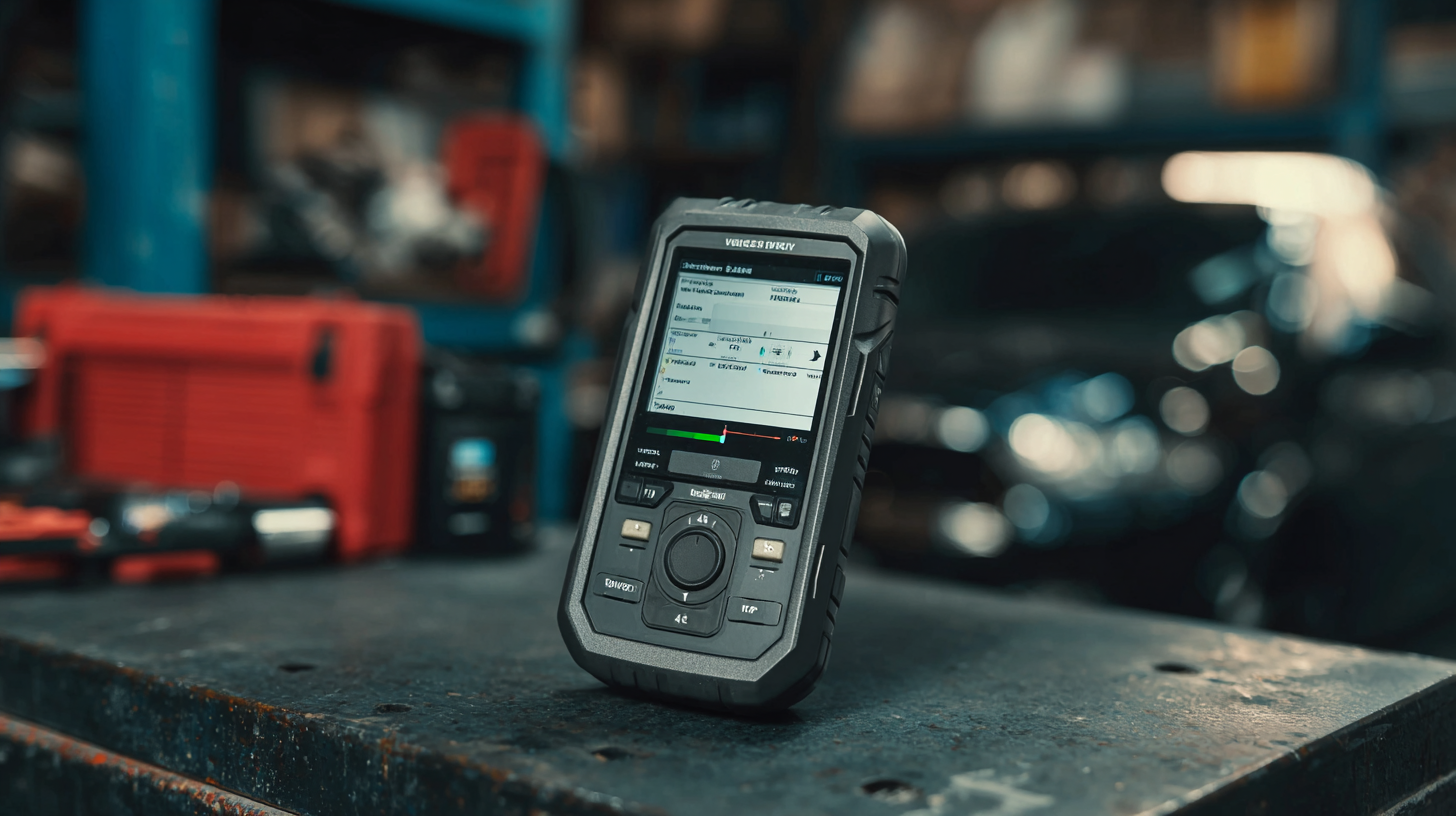
Plus, it’s worth considering whether the analyzer works well with different types of batteries. Today’s market is pretty diverse—lithium-ion, lead-acid, nickel-metal hydride—you name it. Having a versatile tool that can handle all these chemistries without sacrificing accuracy is a total plus. Oh, and don’t forget about the user interface! You want something straightforward and easy to understand because a complicated setup can lead to mistakes—or even waste your time and resources. In the end, picking the right analyzer is about making sure it’s reliable, flexible, and user-friendly.
Comparing Different Battery Analyzer Brands and Models
When you're trying to pick out the best battery analyzer, it really pays to compare different brands and models. Every manufacturer tends to have its own set of features, and those can make a big difference depending on what you're actually using it for. Honestly, it’s also super important to check out the reputation of the brand—whether they’re known for reliable, accurate tools or not. Do a bit of digging—look at user reviews and expert opinions—so you can get a sense of how these devices perform in real life with different users.
One thing I’d suggest is paying attention to the types of batteries the analyzer can handle. Some are pretty specialized, like for lithium-ion or lead-acid batteries, while others are a bit more versatile. If you work with all kinds of batteries, it's smarter to go for a model that supports multiple chemistries so you’re not limited. Also, don’t forget to check the accuracy of the device. A higher precision means you’ll trust the readings more—especially when you're trying to assess battery health.
And of course, ease of use matters a lot. Look for something with a simple, user-friendly interface and a clear display—it’ll save you time and frustration. Being able to quickly understand the results and access different settings without hassle is a big plus. Finally, don’t skimp on checking out the warranty and customer support options. Having solid support can really come in handy if you run into any issues down the line.
Evaluating User Reviews and Expert Recommendations
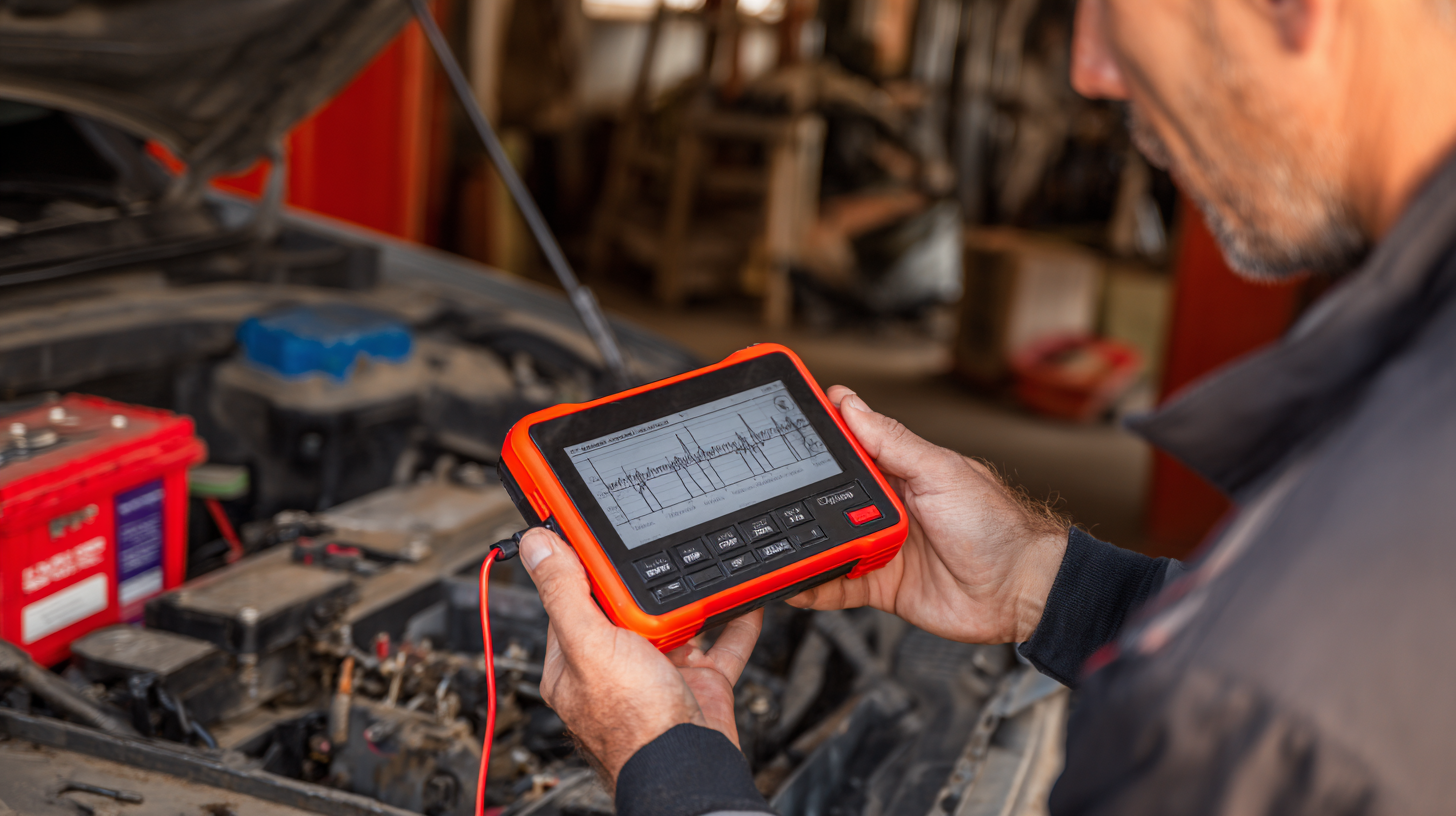
When you're trying to pick out the best battery analyzer, it's really important to check out user reviews and expert recommendations. Those reviews give you a peek into real-world experiences—like what folks love or dislike about different models. Just keep an eye on what most people are saying, especially around things like accuracy, how easy it is to use, and how well it holds up over time. If a product keeps getting lots of positive feedback, that's usually a good sign it’s reliable. On the flip side, if you see a bunch of negative reviews, that might point to issues that could influence your decision.
Then, adding expert opinions into the mix can really help you make a smarter choice. Pros in the field do detailed tests and comparisons you might not have the time or tools to do yourself. Look for reviews from trusted sources—like well-known tech sites or electronics specialists. These experts usually evaluate stuff based on performance, features, and whether it’s worth the price. Combining insights from everyday users and industry pros gives you a much clearer picture of which battery analyzers actually stand out. In the end, that way, you’re making a more informed decision that’s tailored to what you really need.
Setting a Budget: Cost vs Value in Battery Analyzers
When you're trying to pick out the right battery analyzer, one of the first things you should think about is your budget. It’s pretty important if you want to get the best bang for your buck. These things can really vary in price—from those basic models that go for about 30 bucks all the way up to fancy, feature-packed options that can cost over 300 or more. Honestly, figuring out what features you actually need will help you cut down your choices and avoid overspending. Think about what kind of batteries you’ll be testing and how detailed you need the info to be—sometimes, a simple, budget-friendly model does the trick just fine.
That said, don’t just go for the cheapest option blindly. It’s all about that balance between cost and value. A pricier analyzer usually comes with extra perks—like detailed reports, real-time data, or support for different types of batteries—that can be super helpful, especially if you’re a pro or really serious about your hobby. But if you're just testing the occasional standard lead-acid battery, dropping a ton of cash on a high-end model might not be worth it. Honestly, focus on what you really need, and look for something reliable that offers the best features for your budget. The goal is to find that happy middle ground where you get good value without breaking the bank.
Ensuring Compatibility with Your Existing Battery Systems
When you're picking out a battery analyzer, it’s really important to make sure it’s compatible with the batteries you already have. Start by checking the voltage and the type of chemistry your batteries use—stuff like lithium-ion, lead-acid, or nickel-cadmium. Not every analyzer can handle all these different chemistries, so you wanna get one that's designed to work specifically with your batteries. Trust me, it makes a big difference.
Also, don’t forget to look for features like adjustable load settings and capacity testing. These extras help you get a more accurate picture of your batteries’ health. Compatibility isn’t just about chemistry, though — it’s also about whether the analyzer can connect smoothly with your battery management system. That way, you get reliable data without any hassle. Oh, and check whether the software is user-friendly—having easy-to-use interfaces and good connectivity options can really save you a lot of headaches and make monitoring your batteries way more straightforward.
Maximizing Efficiency: Insights from Industry Reports on High-Precision Battery Charge Discharge Test Systems for EV Manufacturers
In the rapidly evolving electric vehicle (EV) sector, maximizing efficiency in battery testing is paramount for manufacturers striving to improve performance and reliability. "Maximizing Efficiency: Insights from Industry Reports on High-Precision Battery Charge Discharge Test Systems for EV Manufacturers" explores the essential role of advanced testing systems in achieving these goals. High-precision battery charge discharge test systems enable manufacturers to conduct thorough evaluations, ensuring that batteries meet the demanding requirements of modern EVs.
One standout solution designed for high-capacity battery testing is the 18U cabinet. This innovative option offers manufacturers ample space and flexibility, accommodating up to 32 testing channels simultaneously. With the capability to support battery voltages ranging from 30V to 120V, this model is particularly well-suited for extensive battery testing scenarios. By allowing simultaneous testing across multiple channels, the 18U cabinet not only streamlines the testing process but also significantly reduces the time required for thorough evaluations, ultimately leading to increased production efficiency.
The integration of high-precision test systems like the 18U cabinet represents a strategic advantage for EV manufacturers. As the industry continues to push the boundaries of battery technology, embracing advanced testing solutions ensures that manufacturers remain competitive while delivering high-quality, reliable products to the market. By utilizing such sophisticated equipment, manufacturers can achieve greater insights into their battery systems, thereby enhancing performance, safety, and customer satisfaction.
FAQS
: When choosing a battery analyzer, consider the specific battery types you will be testing, the precision of the tool, ease of use, brand reputation, user reviews, and the warranty and customer support provided by the manufacturer.
Different battery types, such as lead-acid, lithium-ion, and nickel-cadmium, have unique characteristics and requirements. For example, lithium-ion batteries require precise voltage and current measurements, while lead-acid batteries often need specific gravity verifications.
Selecting a battery analyzer that matches your battery type ensures optimal performance, accurate readings, and effective monitoring and management of energy needs.
Yes, some battery analyzers are designed to support multiple battery chemistries, making them versatile for users who work with a variety of battery types.
You can verify a brand's reputation by researching user reviews, expert opinions, and testimonials to assess their reliability and accuracy in performance.
User-friendly features may include a clear display, intuitive interface, quick result interpretation, and accessible detailed settings.
Regular and effective battery maintenance helps ensure that batteries perform optimally and have a longer lifespan, preventing unexpected failures and prolonging their usage.
Yes, good customer support is important as it can provide assistance in case of issues with the device, ensuring you can troubleshoot and resolve problems effectively.
Battery health assessment is crucial for monitoring performance, determining when to recharge or replace batteries, and implementing maintenance practices to extend battery life.
To ensure accurate readings, choose a battery analyzer with a high accuracy rating and one that is compatible with the specific battery chemistry you are testing.

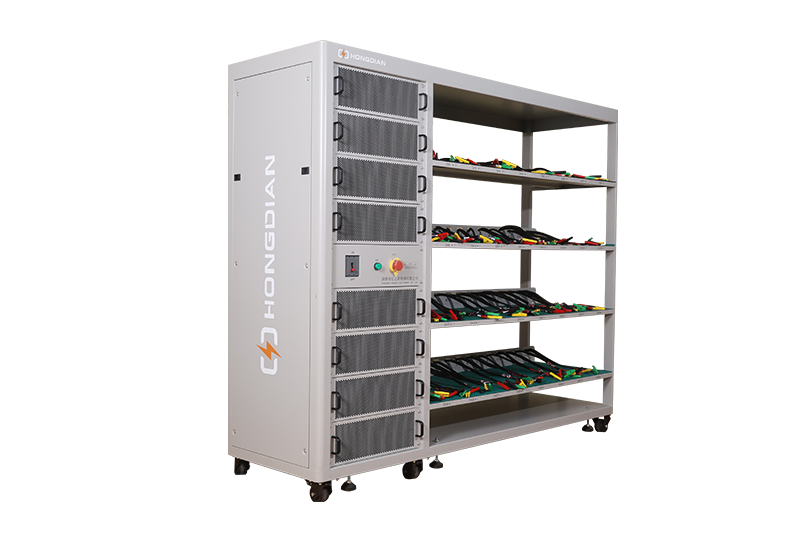 32/48 channel battery charging and discharging test integrated battery cabinet
 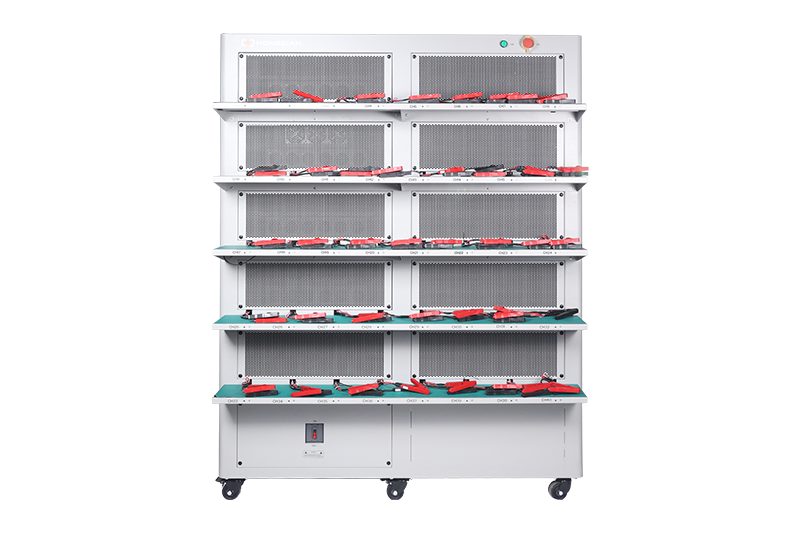 40 channel battery charging and discharging test integrated battery cabinet
  64 channel battery charging and discharging test integrated battery cabinet
 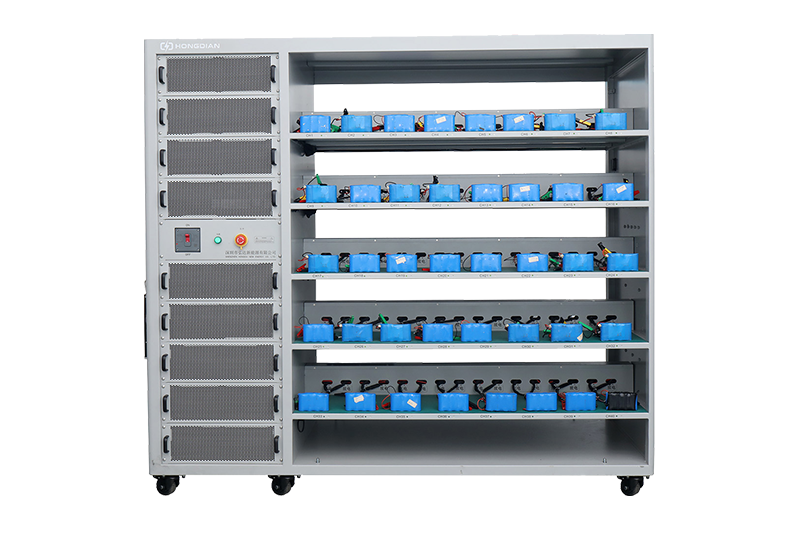 80 channel battery charging and discharging test integrated battery cabinet
 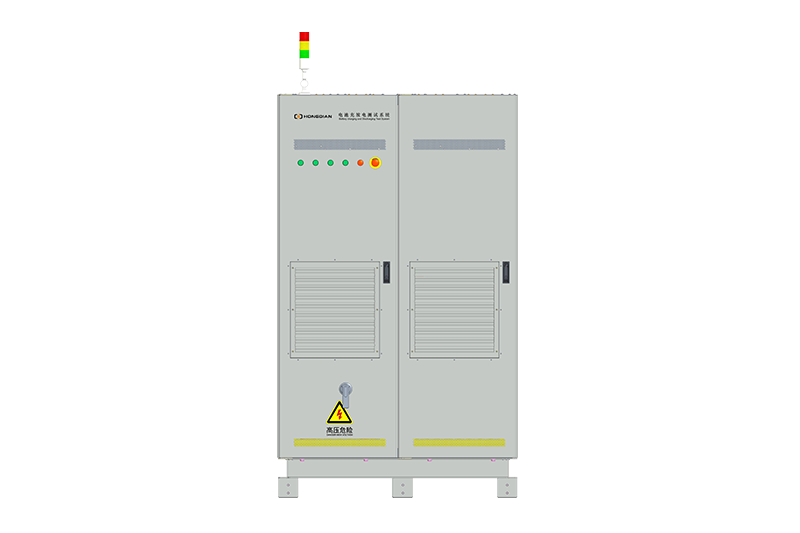 1000V-1500V High Voltage High Current Battery Testing System
 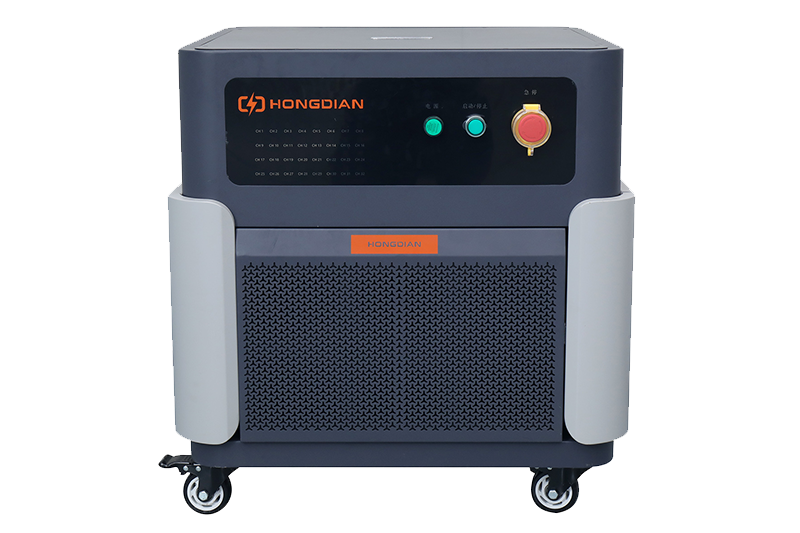 High-Precision Battery Testing System for Enhanced Performance Monitoring 30V/60V/100V/120V
 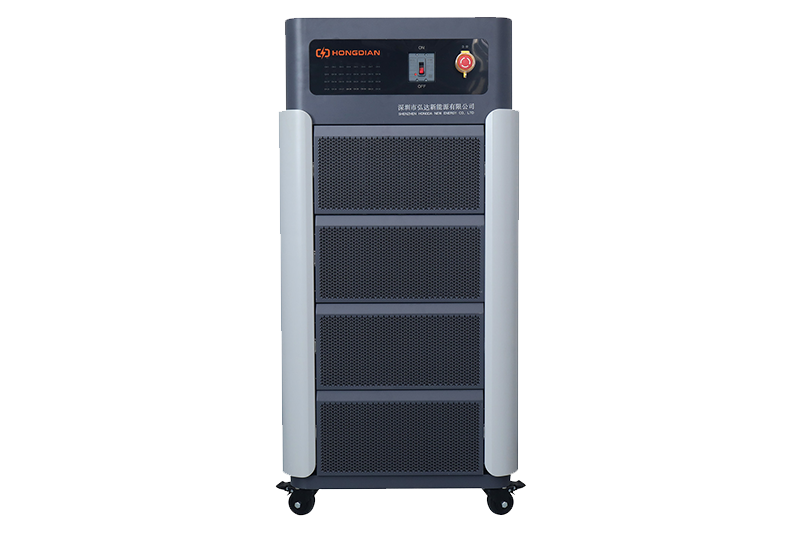 High-Precision Battery Charge Discharge Test Systems for EV Manufacturers
 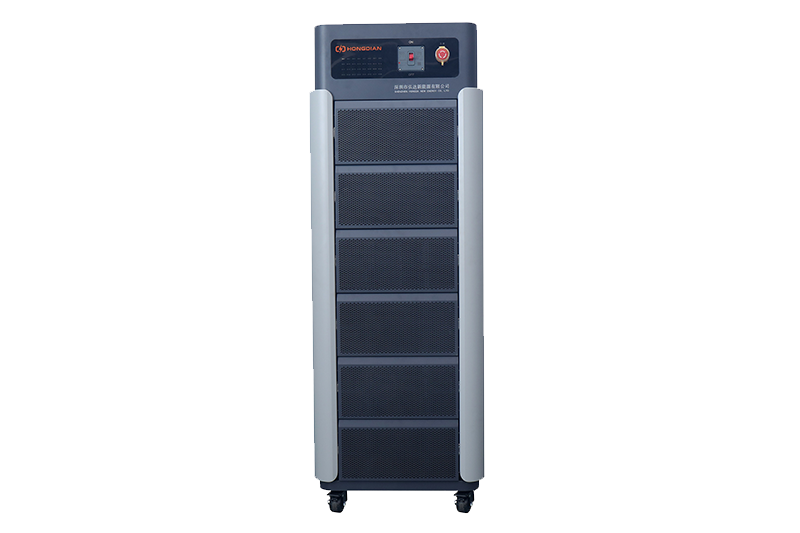 Precision Battery Test Racks for Cell Capacity & Internal Resistance Measurement
 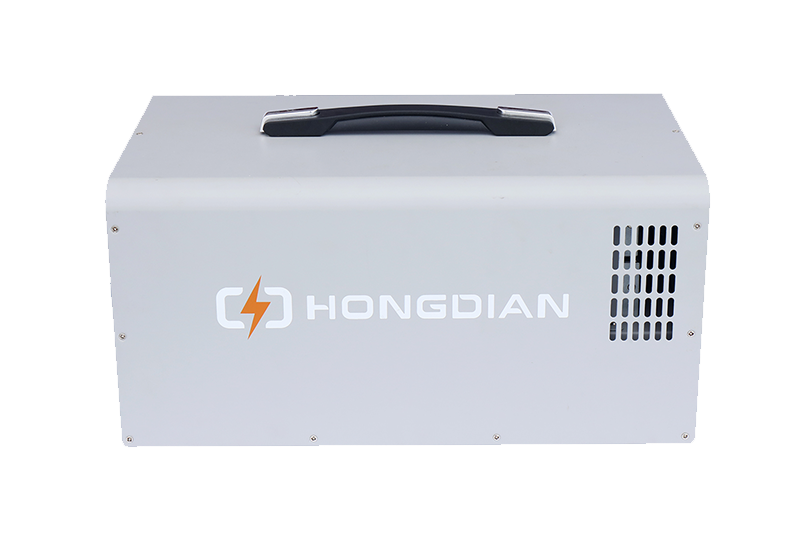 Multi-Channel Battery Testing Equipment for Parallel Performance Analysis