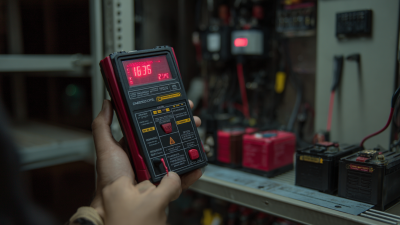
In the constantly changing world of bike maintenance, you really can’t underestimate the importance of having a reliable Motorbike Battery Tester. I spoke with James Carter, a seasoned mechanic at PowerCycle Diagnostics, and he put it pretty simply: “A gooD Battery Tester can save you from those annoying unexpected breakdowns and really help extend your bike’s lifespan.” That kind of advice just hits home for anyone who's serious about riding.
Picking out the right Motorbike Battery Tester isn’t just for the pros—casual riders need to pay attention too. The market’s full of options, and honestly, it gets overwhelming trying to figure out which one’s best. Plus, not all testers are created equal; some give way more accurate readings, and that can make a big difference for your bike’s performance.
As technology advances, these testers are getting way smarter. Still, I see a lot of folks struggle with understanding how to actually use them properly. That’s why good info and expert advice are more important than ever. The right tester doesn’t just make your life easier – it helps keep you safe on the road. Honestly, taking the time to pick the right tool is just as important as knowing how to use it correctly—don’t skip that step!
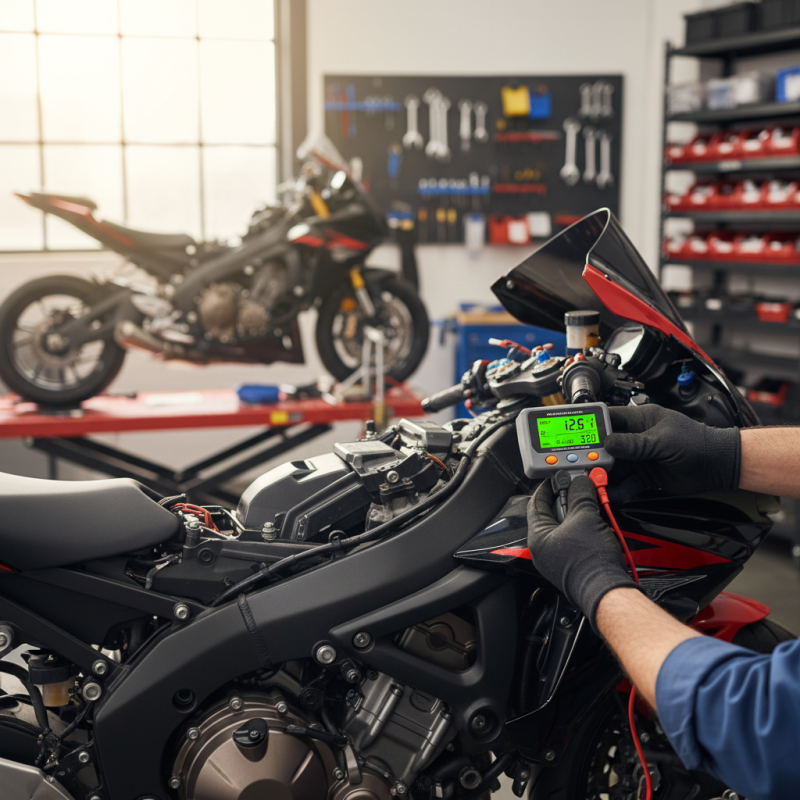
Overview of Motorbike Battery Tester Importance and Benefits
Motorbike battery testers play a crucial role in maintaining the health of your bike's battery. Regular testing ensures that your battery operates efficiently, reducing the risk of unexpected breakdowns. A well-functioning battery enhances the bike's performance and increases overall reliability. Riders who neglect battery maintenance may face poor starts or sudden shutdowns, leading to potential safety hazards.
When choosing a battery tester, consider both accuracy and ease of use. Many testers provide clear, immediate results. This allows riders to make quick decisions regarding battery replacement. Look for products that offer detailed readings, as they help you diagnose issues effectively. Remember, an informed rider is a safe rider.
Tips: Always test your battery before long rides. A fully charged battery enhances your bike's endurance. Keep your tester in a dry place to ensure its longevity. Regular use of a battery tester can save you from costly repairs. Over time, you may notice trends in your battery's health, helping you anticipate issues better. This insight can guide timely replacements or maintenance.
Types of Motorbike Battery Testers Available in the Market
Motorbike battery testers come in various types to cater to different needs. One commonly used type is the digital multimeter. This tool allows users to measure voltage and check battery health. Its accuracy provides reliable results, but it requires some knowledge to interpret readings. Misreading data can lead to confusion. Users should double-check results to ensure accuracy.
Another popular option is the load tester. This device puts a load on the battery, simulating real-world conditions. It helps determine whether a battery can hold a charge under stress. While effective, users must be cautious. If the tester is not used correctly, it could damage the battery. Always read the instructions before use to avoid pitfalls.
Portable battery testers offer convenience. They are lightweight and easy to use, making them ideal for on-the-go checks. However, their simplicity sometimes compromises detailed analysis. Users may notice slight differences in readings when switching testers. Ensuring consistency in testing helps improve reliability. A Battery Tester For Deep Cycle Battery performance can be especially useful for those who rely on high-capacity batteries for extended rides.
Key Features to Look for in a Quality Motorbike Battery Tester
When selecting a motorbike battery tester, key features can significantly influence your decision. Look for testers that offer digital displays for easy reading. A backlit screen can make it user-friendly in low-light conditions. Opt for a model that supports various battery types. This versatility ensures it can measure 12V, 6V, and even lithium-ion batteries.
Another important aspect is the testing capacity. Choose a tester that provides accurate readings. This can prevent false assessments of battery health. Some advanced models may even include a health indicator feature. This allows users to monitor battery degradation over time. Additionally, consider a lightweight design for ease of use and portability.
Affordability is vital, but don't compromise on quality. Some low-cost testers may lack essential features. Review customer feedback to gauge reliability and performance. A model that comes with a warranty can provide peace of mind. Always ask if something feels off while testing. Recognizing discrepancies can save you from bigger issues later.
Top Brands and Models of Motorbike Battery Testers Reviewed
Motorbike battery testers come in various models, catering to the needs of global consumers. Quality and efficiency are crucial in this market. Studies show that 60% of motorbike owners experience battery-related issues. A reliable battery tester can prevent unexpected failures. Understanding the key features of top models is vital for informed purchasing.
Recent reports indicate that High Voltage Battery Testers are gaining popularity. These devices offer precise readings and fast diagnostics. Key characteristics include user-friendly interfaces and compact designs. Many products also feature a built-in multimeter, ensuring multi-functionality. Users appreciate testers with robust build quality, as durability is essential in outdoor conditions.
However, not every battery tester meets expectations. Some users report inaccurate readings, which can lead to frustration. Additionally, certain models lack comprehensive user guides, leaving consumers without proper support. This highlights the importance of thorough research before making a purchase. Testing efficiency and accuracy remains a challenge for many manufacturers, demonstrating a need for improvement in this competitive landscape.
Top Motorbike Battery Tester Products for Global Buyers
| Model | Voltage Range | Test Type | Display Type | Weight | Price ($) |
| Model A | 6V - 12V | Load Test | LCD | 0.75 kg | 49.99 |
| Model B | 12V | Conductance Test | LED | 0.5 kg | 39.99 |
| Model C | 6V - 24V | Voltage Test | Digital | 1.2 kg | 59.99 |
| Model D | 12V | Standard Test | Analog | 0.9 kg | 29.99 |
| Model E | 6V - 12V | Multifunction Test | LCD | 0.8 kg | 69.99 |
User Experience: How to Effectively Use a Motorbike Battery Tester
Using a motorbike battery tester can enhance your riding experience and ensure your bike runs smoothly. A reliable tester helps identify weak batteries before they fail. It’s key for any rider who relies on their motorbike for daily commutes or weekend adventures.
When you begin testing, ensure the battery terminals are clean and free of corrosion. A dirty connection can lead to inaccurate readings. Connect the tester leads firmly to the terminals. Observe the readings closely. If the voltage is below 12.4 volts, consider replacing the battery. Remember to check it regularly, especially before long trips.
**Tips:** Keep your tester accessible. A compact motorbike battery tester can fit under your seat. Regular checks save time and trouble. If the battery shows fluctuating voltages, it may be time to consider an Emergency Light Battery Tester. This tool provides extra safety, illuminating your path during emergencies. Don’t ignore signs of weakness. Reflect on your riding habits and how often you use the bike. Adjust your battery care accordingly.
Top Motorbike Battery Tester User Experience Ratings
This chart represents the user experience ratings of various motorbike battery tester products based on a scale of 1 to 10. The data reflects an average of user experiences collected from different regions, showcasing how effectively users feel these testers perform in terms of reliability and accuracy.
Maintenance Tips for Maximizing the Lifespan of Your Tester
When it comes to maintaining a motorbike battery tester, proper care is essential. A good tester can last for years if it is treated well. Regularly inspect your Tool It Battery Tester for any signs of wear or damage. Look for cracks in the casing or frayed wires that might affect performance. These minor issues can lead to bigger problems if ignored.
To maximize the lifespan of your tester, store it properly when not in use. Keep it in a cool, dry place away from direct sunlight. Extreme temperatures can damage electrical components. Periodically clean the connectors to ensure a solid grip and accurate readings. Dust and debris can accumulate, affecting the tester’s effectiveness and reliability.
Another important tip is to use your tester frequently but avoid overuse. Like any tool, it can wear down with constant use. Take breaks to prevent overheating and allow it to cool down. A little reflection on your usage habits can go a long way. By adopting these simple maintenance tips, your Tool It Battery Tester will continue to provide accurate assessments, helping you keep your motorbike in top shape.
Comparative Analysis: Price Range and Value for Global Buyers
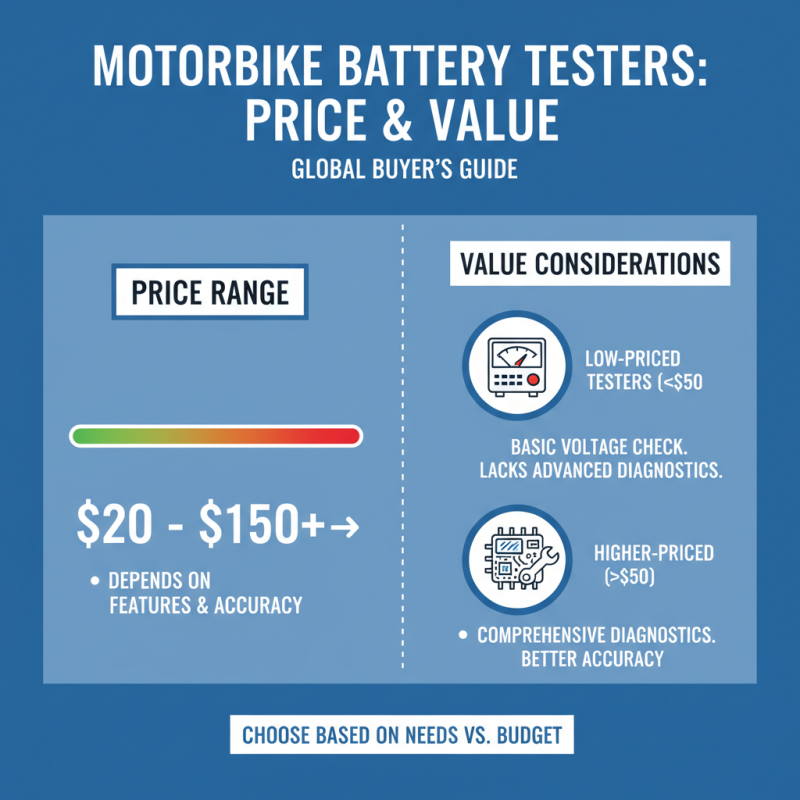
When assessing motorbike battery testers, price and value are paramount for buyers globally. Recent industry reports indicate that the price range for quality battery testers can vary significantly. Most products fall between $20 and $150, depending on features and accuracy. Buyers should note that lower-priced testers often lack advanced functionality. They may only measure voltage without providing comprehensive diagnostics. This limitation can lead to misjudgments about a battery's true condition.
The value of a battery tester often correlates with its features. Advanced models can perform load tests, conduct digital displays, and offer smartphone connectivity. These features may justify a higher price, especially for regular motorbike maintenance. According to a Consumer Electronics report, 73% of users prefer testers that offer detailed performance analyses. Buyers seeking reliable products should carefully evaluate the return on investment. Asking the right questions about how often they test their batteries can help guide their choices. This self-reflection can be crucial in selecting the best product for individual needs.
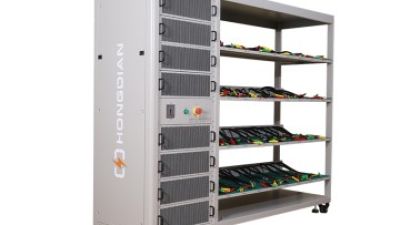
Comprehensive Overview of the 32/48 Channel Integrated Battery Charging and Discharging Test Cabinet Solutions
In the rapidly evolving landscape of energy storage, the demand for versatile and high-performance battery testing solutions is paramount. The 32/48-Channel Battery Charge/Discharge Test System emerges as a leading option, providing unmatched flexibility and efficiency tailored to a variety of energy storage applications. According to a market report by IDTechEx, the global battery testing equipment market is expected to expand significantly, driven by the growing need for R&D, quality assurance, and production-line validation processes in various sectors, including electric vehicles and renewable energy systems.
Engineered to cater to a wide range of testing requirements, this sophisticated system not only excels in functionality but also emphasizes customization. As the battery technology continues to evolve with advances in lithium-ion and solid-state solutions, the ability to adapt testing setups is critical. The system can seamlessly integrate with diverse testing frameworks, making it suitable for applications across academic research, industrial production, and governmental testing facilities.
Moreover, numerous studies indicate that the efficiency of battery testing directly correlates with the accuracy of energy management and optimization strategies. For instance, a report published by Research and Markets highlights that advanced testing methodologies can minimize downtime and enhance the lifespan of energy storage devices. By leveraging the 32/48-Channel system’s capabilities, organizations can ensure that their energy storage solutions not only meet stringent performance standards but also align with the fast-evolving demands of the energy landscape.
FAQS
: A motorbike battery tester helps identify weak batteries before they fail. It improves riding reliability.
Regular checks are essential, especially before long trips. Frequent testing ensures your battery operates optimally.
Ensure battery terminals are clean and free of corrosion. Dirty connections can cause inaccurate readings.
If the voltage is below 12.4 volts, consider replacing the battery. This is a sign of weakness.
Inaccurate readings may arise from poor connections or low-quality testers. Research before purchasing is crucial.
A compact tester can conveniently fit under your seat. Keeping it accessible encourages regular use.
Look for user-friendly interfaces, compact designs, and built-in multimeters for multi-functionality. Robust build quality is essential.
Regular testing prevents unexpected battery failures, enhancing your overall riding experience and peace of mind.
Conclusion
The importance of a Motorbike Battery Tester cannot be overstated, as it plays a crucial role in maintaining the performance and longevity of motorbike batteries. Understanding the types of testers available in the market helps buyers make informed decisions, while key features such as accuracy, ease of use, and durability are essential for an effective testing experience.
This article reviews various top brands and models of Motorbike Battery Testers, emphasizing the user experience and providing guidance on their effective usage. Additionally, maintenance tips are offered to maximize the lifespan of the tester, ensuring optimal performance over time. A comparative analysis of price ranges provides global buyers with insight into the best value options available, enabling them to choose the right tester that meets their needs without overspending.

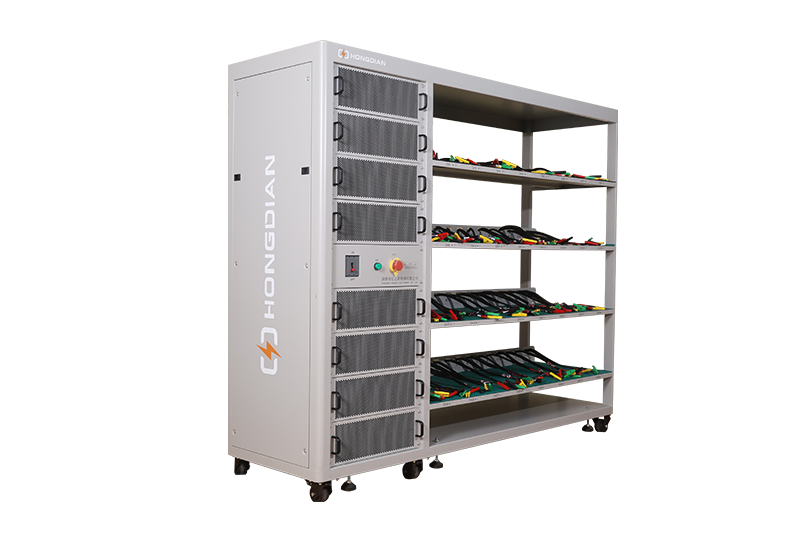 32/48 channel battery charging and discharging test integrated battery cabinet
 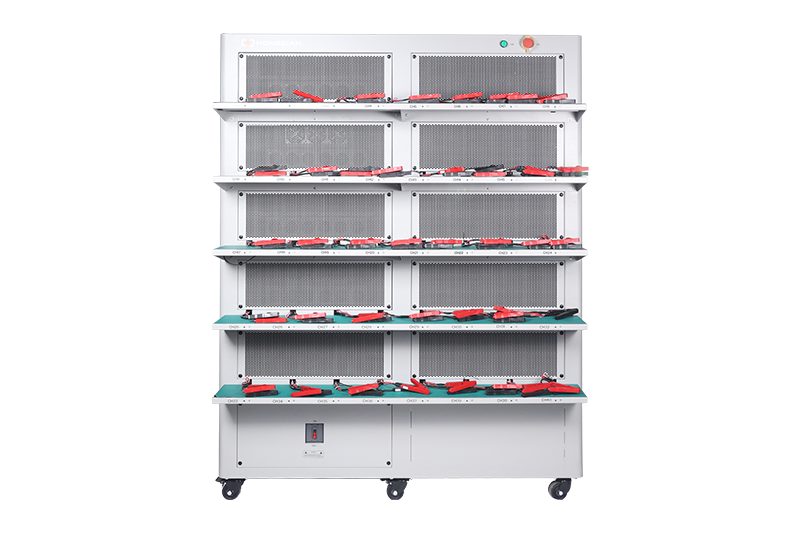 40 channel battery charging and discharging test integrated battery cabinet
  64 channel battery charging and discharging test integrated battery cabinet
 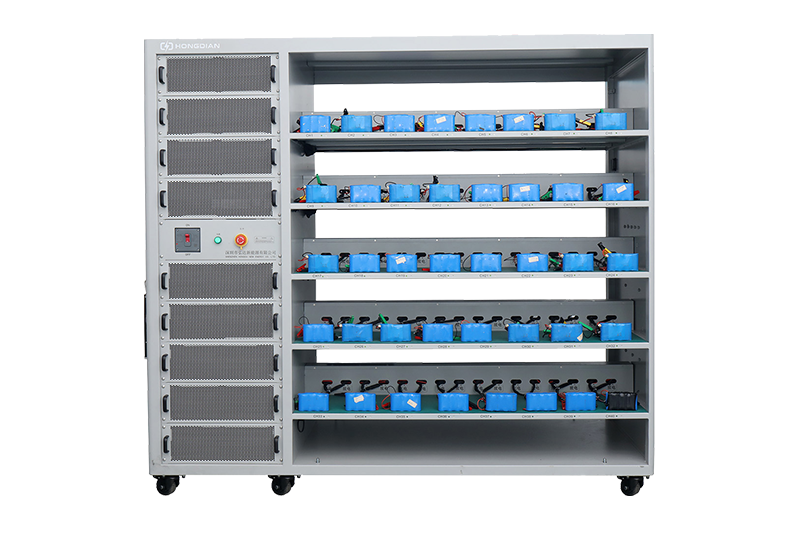 80 channel battery charging and discharging test integrated battery cabinet
 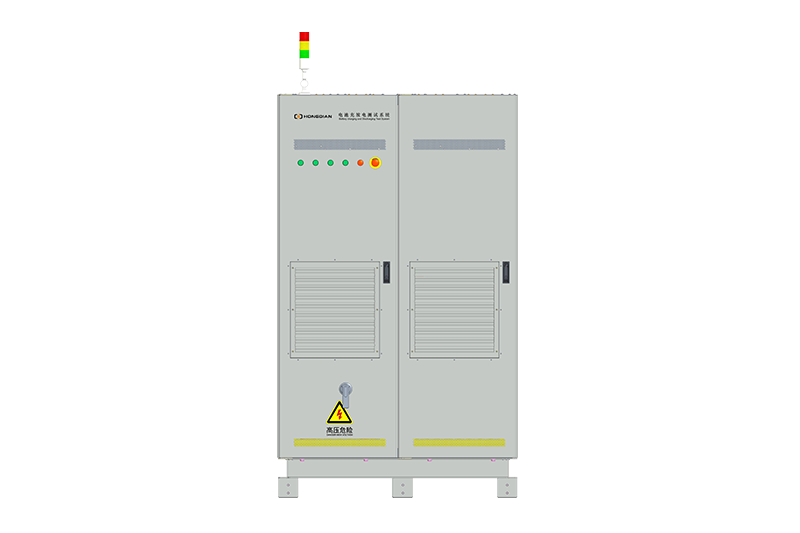 1000V-1500V High Voltage High Current Battery Testing System
 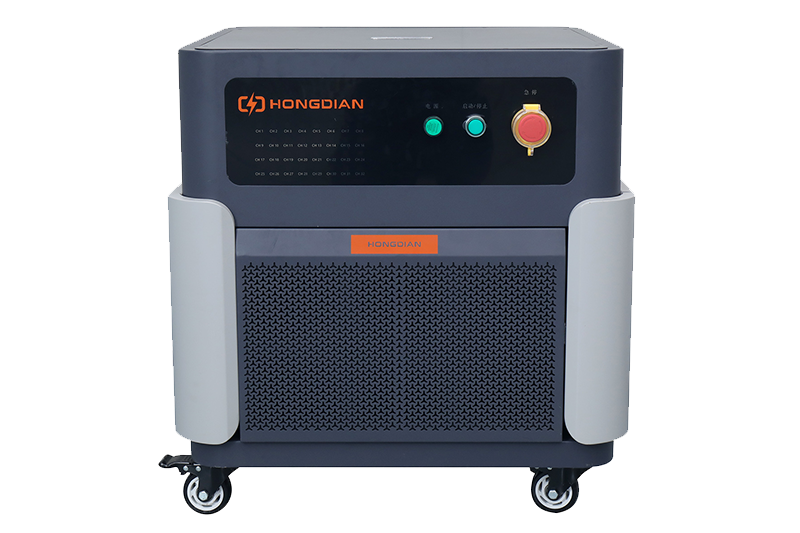 High-Precision Battery Testing System for Enhanced Performance Monitoring 30V/60V/100V/120V
 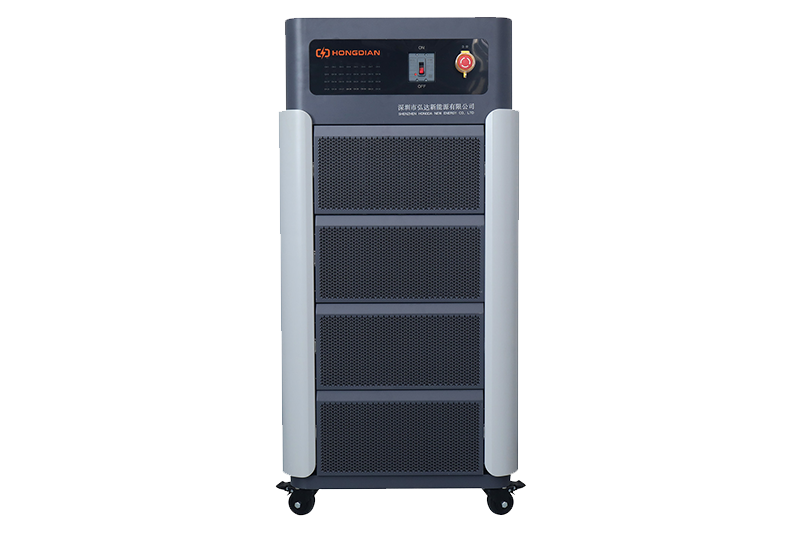 High-Precision Battery Charge Discharge Test Systems for EV Manufacturers
 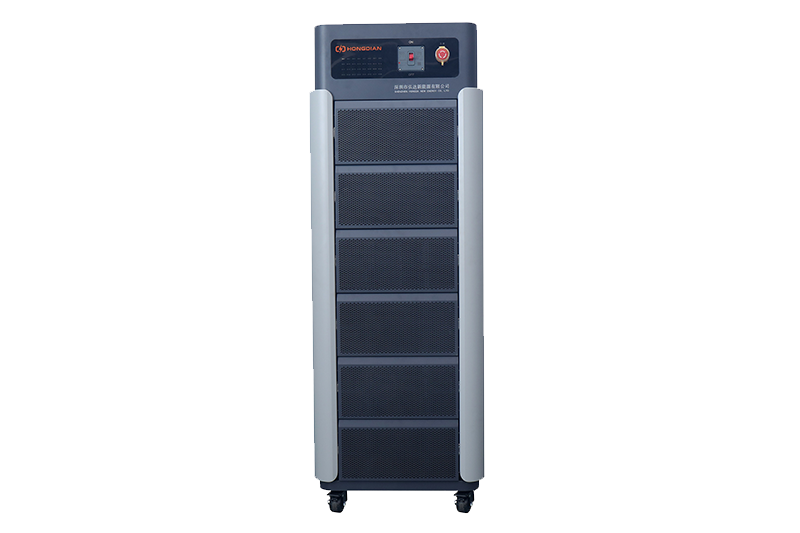 Precision Battery Test Racks for Cell Capacity & Internal Resistance Measurement
 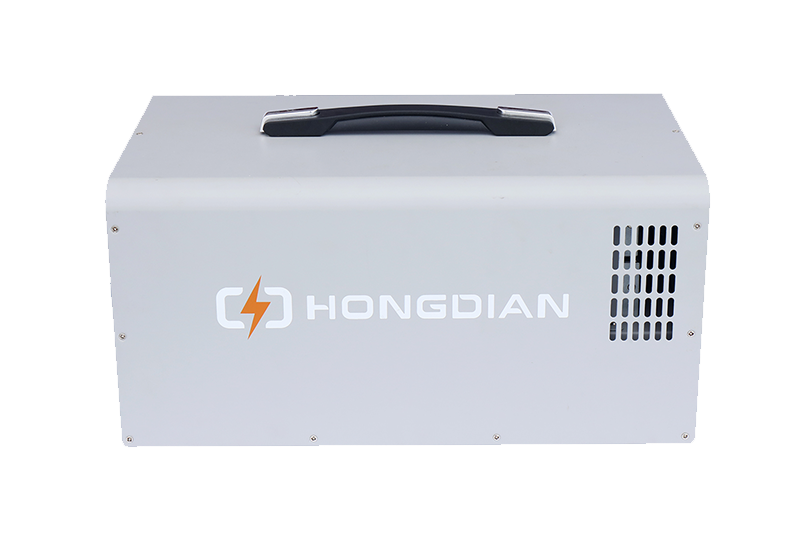 Multi-Channel Battery Testing Equipment for Parallel Performance Analysis