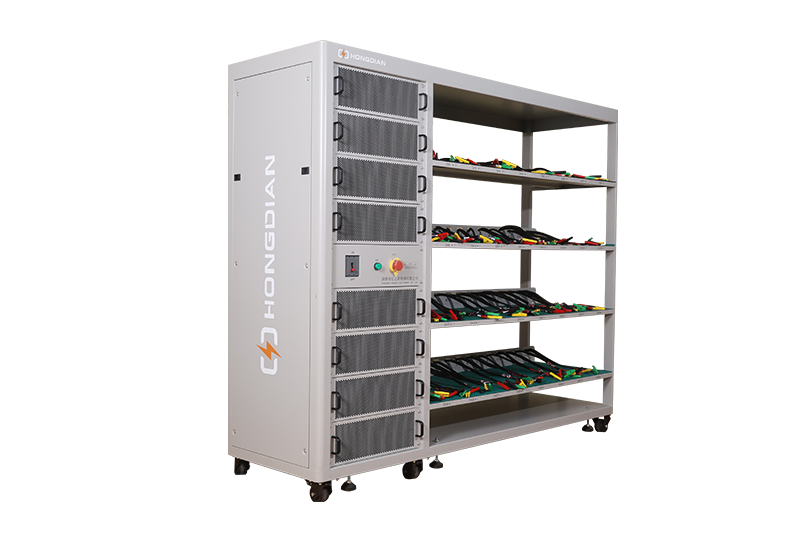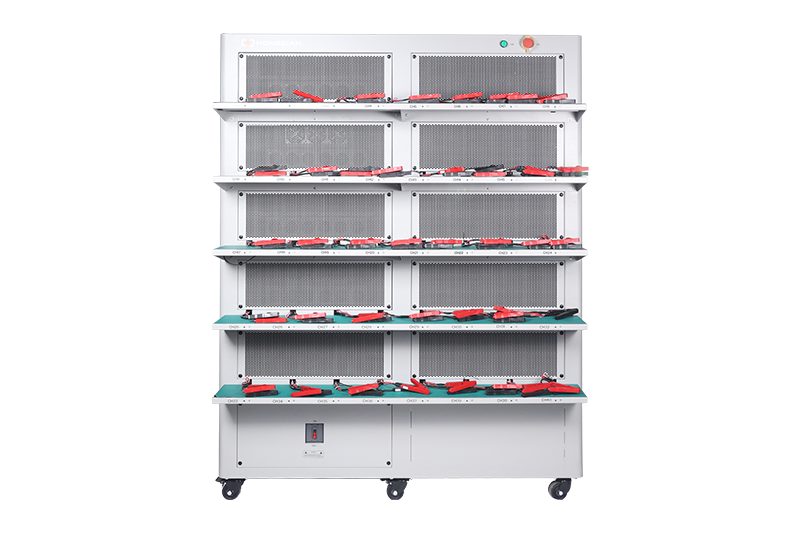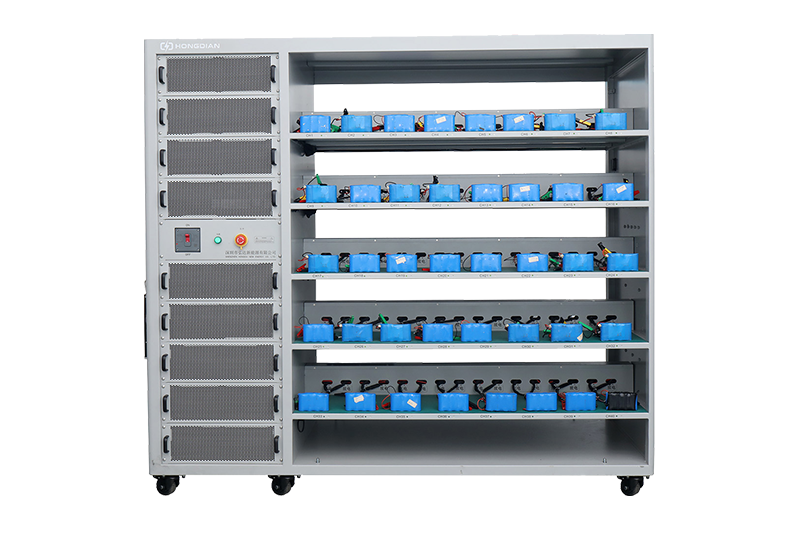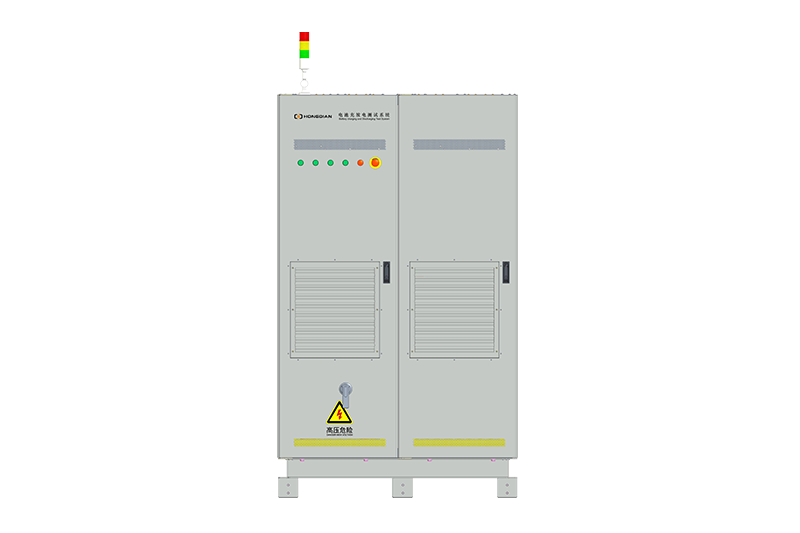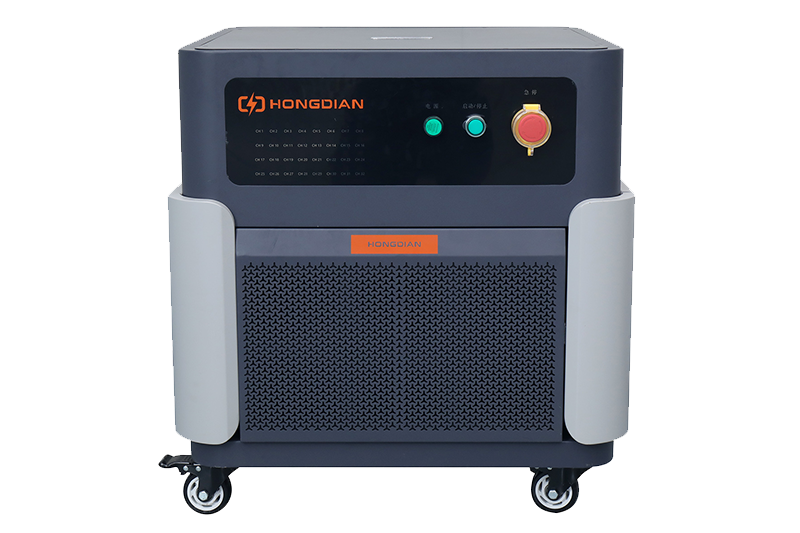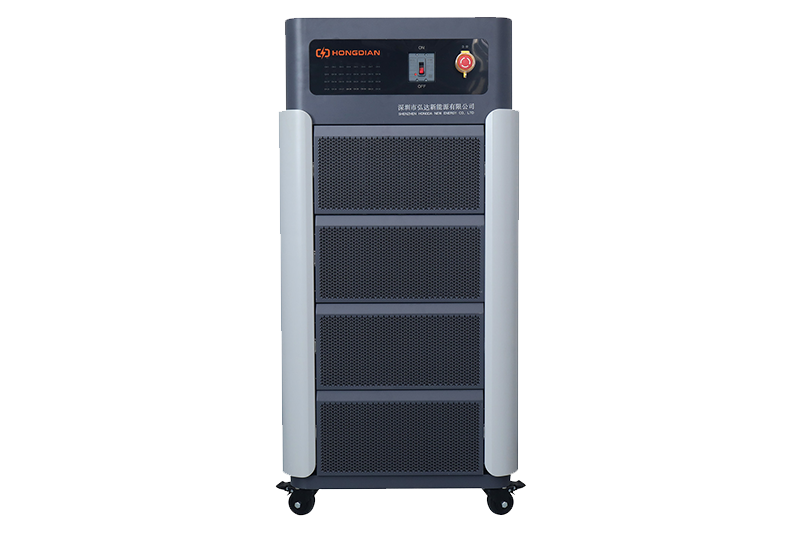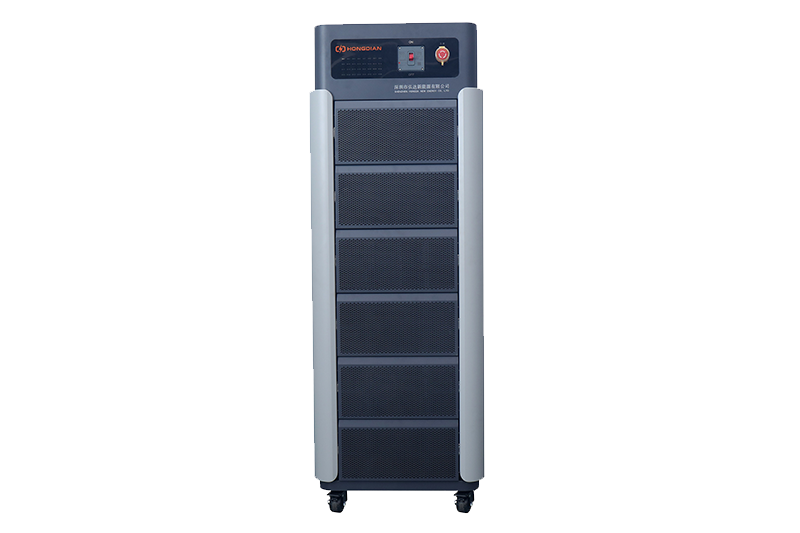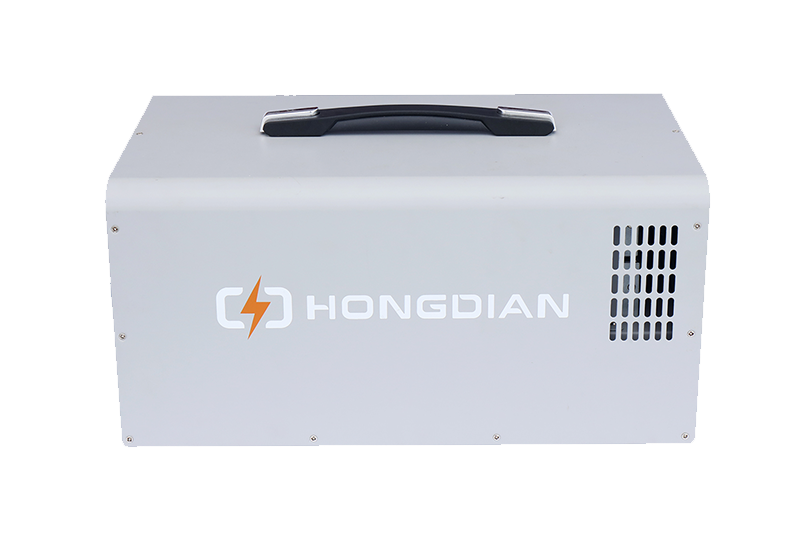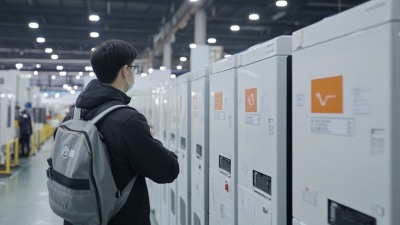
32/48 channel battery charging and discharging test integrated battery cabinet
40 channel battery charging and discharging test integrated battery cabinet
64 channel battery charging and discharging test integrated battery cabinet
80 channel battery charging and discharging test integrated battery cabinet

You know, in today's fast-paced world of portable power solutions, having a reliable Power Bank Tester is really crucial. As we gear up for 2025, we're seeing some exciting trends in power bank tester tech that are sure to change the game in terms of performance and how users experience them. One company that's really leading the charge is Shenzhen Hongda New Energy Co., Ltd. They've done a fantastic job of adapting to the needs of over a thousand customers all around the globe. In this blog post, we're going to dive into the different types of power bank testers available, what makes each of them unique, and the specific situations where they'll really shine. It'll also highlight some of the cutting-edge solutions Hongda is rolling out. As technology continues to push forward, keeping ourselves updated on these innovations will totally empower both consumers and manufacturers. This way, we can ensure we're getting the best performance and safety from our portable charging options.
Hey there! Can you believe we're already approaching 2025? It's wild to think about how much the power bank testing scene is about to change, all thanks to some pretty cool new tech. There's a lot of buzz around advancements in battery management systems (BMS) and the rise of artificial intelligence (AI). These developments are really going to make testing methods sharper and more efficient than ever. According to a recent report by Grand View Research, the global power bank market is expected to hit a whopping $22 billion by 2025. That just shows how urgent it is for companies to innovate and keep up with what consumers want as products get more complex.
Speaking of innovation, Shenzhen Hongda New Energy Co., Ltd. is leading the charge. We're all about providing thorough testing solutions that really make sure our products are reliable and perform well. Honestly, we have over a thousand happy customers worldwide, which is super exciting! Our team uses the latest technology to dive deep into assessing power banks, checking that they meet safety standards and exactly what users expect. On top of that, we're seeing smart sensors and automated testing systems becoming more common. These tools allow us to gather and analyze data in real-time, which is essential for keeping product quality high in such a competitive market. As we move forward, we're committed to leveraging technology to offer unforgettable service and innovative solutions to our clients.
As we move towards 2025, the landscape of power bank technology is set to undergo significant innovations aimed at enhancing speed and efficiency. One notable trend is the integration of advanced algorithms and machine learning (ML) into power bank testers. These technologies allow for real-time performance analysis and optimization, ensuring that power banks can charge devices faster and more reliably. Furthermore, as manufacturers focus on digital and data-driven foundations, the ability to automate testing processes and streamline production will be paramount.
Additionally, the sustainability aspect of power banks is gaining traction. Innovations in energy management systems within power banks are set to improve their efficiency while aligning with global clean energy initiatives. With the increasing demand for fast charging solutions, power banks will be designed with higher energy densities and more efficient power delivery systems, catering to the needs of modern consumers. The convergence of AI technology and energy-efficient designs will not only elevate the performance of power banks but also establish them as essential companions in our tech-driven lifestyles.
| Innovation Type | Description | Expected Impact | Efficiency Gain (%) | Release Date |
|---|---|---|---|---|
| Fast Charging Technology | Innovations in high-efficiency charging circuits to reduce charging time. | Significantly decreases charging time for devices. | 40% | Q1 2025 |
| Wireless Charging Capability | Integration of wireless charging technology for convenience. | Enhances user experience by eliminating cables. | 25% | Q3 2025 |
| Smart Technology Integration | Embedded smart chips for optimized performance based on device type. | Improves overall charging efficiency and safety. | 30% | Mid 2025 |
| Eco-Friendly Materials | Use of biodegradable materials in power bank construction. | Supports sustainability and reduces environmental impact. | N/A | Early 2025 |
| Advanced Safety Features | Incorporation of safety mechanisms to prevent overheating and overcharging. | Enhances safety and longevity of both the power bank and devices. | N/A | Late 2025 |
As we head towards 2025, it’s pretty clear that AI and machine learning are about to shake things up in the world of power bank testers. These cutting-edge technologies are like having a super-smart buddy that can analyze how well a power bank charges and performs—often with a level of precision that’s just incredible. Thanks to machine learning, we can sift through huge amounts of data from different usage scenarios, which helps spot patterns and any potential hiccups. This means manufacturers can really fine-tune their products, making them more reliable and user-friendly than ever before.
But wait, there’s more! AI-driven power bank testers can totally streamline the testing process by taking over the routine tasks that often needed a human touch. These clever systems can run tests on their own, cutting down on human error and speeding things up. Imagine testers keeping an eye on charge cycles in real-time, tweaking the settings on the fly and jumping on any oddities. This way, they can deliver insights that really matter, like how long a power bank can last and whether it’s safe to use. So, for all of us consumers, that means we’re in for longer-lasting and more efficient power banks that are just right for what we need, really highlighting how AI and machine learning are driving the future of power bank innovation.
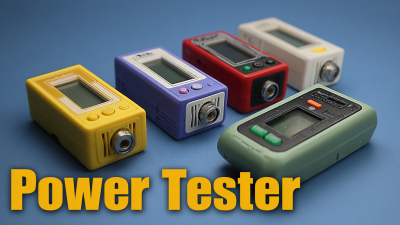
You know, with how fast things change in the world of portable chargers, having a power bank tester has really become a must-have for both users and manufacturers. I mean, if you look at the old-school testers, they just do the basics—measuring voltage and current output with those straightforward digital screens. They work fine if you just need a quick check, but honestly, they often fall short for today’s consumers who are after more detailed insights and performance stats.
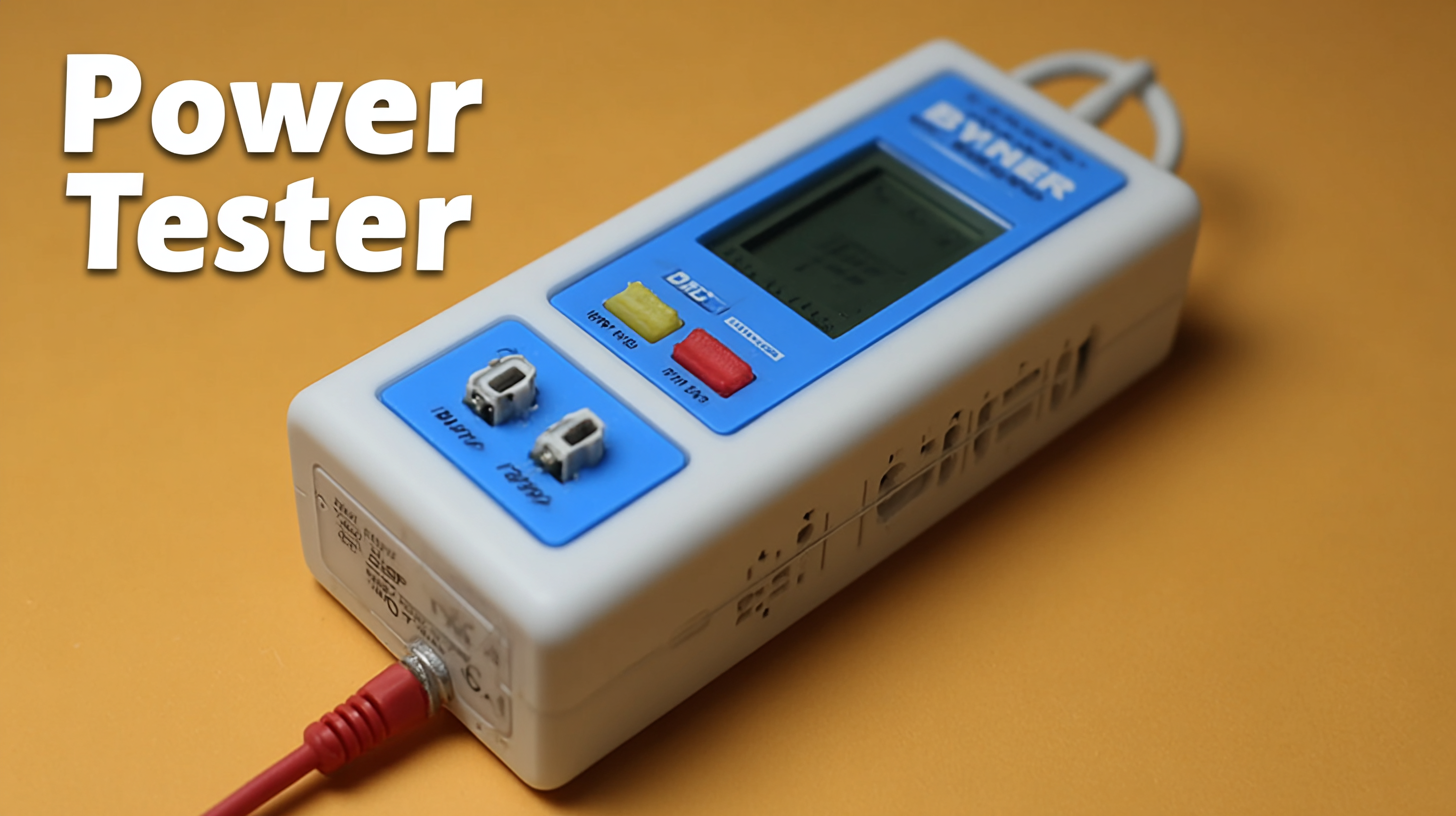
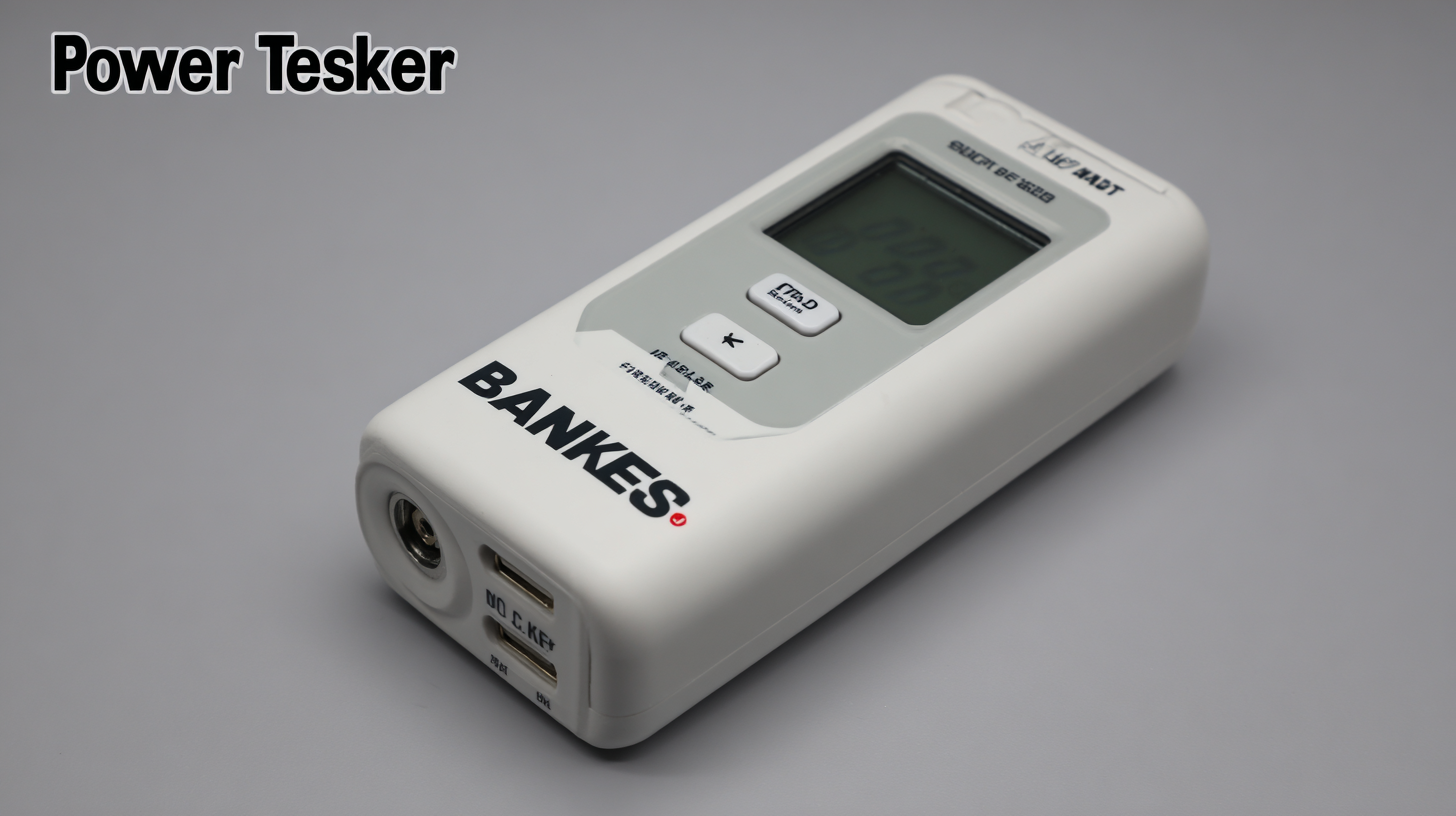
Now, let’s talk about the new wave of digital power bank testers. These guys are getting super popular, and for good reason! They dish out a ton of info, like detailed voltage, current, capacity, and even real-time efficiency when charging. Some even come with Bluetooth, so you can keep tabs on your power bank’s performance right through your phone. It's pretty cool! This shift to digital testers is all about meeting our need for precision and ease in our everyday tech, helping us make smart choices based on real-time data.
Looking ahead to 2025, it’s clear that there’s a big gap between the old traditional testers and these new digital ones. It really highlights just how crucial it is to have more advanced features that cater to our evolving power needs!
You know, as more and more people rely on their portable gadgets, the demand for power banks is just skyrocketing! It’s kind of fascinating how the manufacturing of power bank testers is changing to keep up with what folks want and also to be kinder to the environment. Lately, there’s been a cool trend where companies are using eco-friendly materials during production. I came across this report from the International Energy Agency that says the global power bank market is set to hit a whopping $30 billion by 2025! That’s why being sustainable is becoming such a big deal for manufacturers. They’re really working towards a circular economy, shifting to biodegradable and recyclable materials, which not only cuts down on waste but also attracts consumers who care about the planet.
And it’s not just about the materials; manufacturers are also getting creative with renewable energy sources to power their production sites. There’s this study from the Global Battery Alliance that suggests using these methods could slash the carbon footprint of battery production by as much as 40%. Pretty impressive, right? People nowadays expect products to show that they’re eco-conscious. Looking ahead to 2025, if the industry really embraces these green practices, it’s going to boost the appeal of power bank testers and help tackle global sustainability challenges. It’s definitely a step forward for the tech world in terms of taking care of our planet!
As we roll into 2025, it looks like the landscape for power bank testers is really about to change, and it's all thanks to the growing popularity of portable battery packs across different areas. I came across some recent reports that show the portable battery pack scene in the U.S. is booming right now, with a compound annual growth rate (CAGR) that's set to jump even higher over the next decade. This spike is mainly driven by the increasing need for dependable and efficient charging solutions—especially since more and more folks are leaning on their mobile devices for everything in their daily lives.
Market experts are saying that the race for faster charging tech is going to have a big impact on the innovations we see in power bank testers. Plus, there's expected to be an uptick in chip sales from the semiconductor industry, which is getting an extra boost from advances in generative AI and the growth of data centers. This is likely to have a positive knock-on effect in the power bank tester market, too. And let’s not forget the global push for renewable energy—this will definitely ramp up the demand for advanced testing equipment to make sure these power sources can reliably charge battery packs. As these trends start to unfold, everyone involved in power bank testing really needs to stay on their toes and adapt to the changing needs of both consumers and businesses.
: Traditional power bank testers typically measure voltage and current output with simple digital displays, providing basic diagnostics.
Digital power bank testers offer advanced capabilities, including detailed voltage, current, capacity, real-time charging efficiency, and some models have Bluetooth connectivity for remote monitoring.
The increasing consumer need for precision, comprehensive data, and user-friendly technology has driven the popularity of digital testers that provide real-time performance metrics.
The portable battery pack market is experiencing rapid growth, largely due to the rising usage of mobile devices and the need for reliable charging solutions, which is boosting demand for power bank testers.
The development of faster charging technologies is expected to drive innovations in power bank testers, as manufacturers seek to meet the demands of modern consumers.
An anticipated increase in chip sales within the semiconductor industry, spurred by advancements in generative AI and data centers, is likely to positively impact the power bank tester market.
The global focus on renewable energy solutions creates a need for sophisticated testing equipment that can ensure reliable charging of battery packs powered by alternative energy sources.
The power bank tester market is expected to see significant growth, fueled by the rising demand for portable battery packs and advancements in technology over the next decade.
Stakeholders must adapt to evolving consumer and business needs, driven by trends in portable charging solutions and technological advancements in the industry.
Bluetooth-enabled digital testers allow users to remotely monitor their power bank's performance through smartphone apps, providing convenience and enhanced data access.