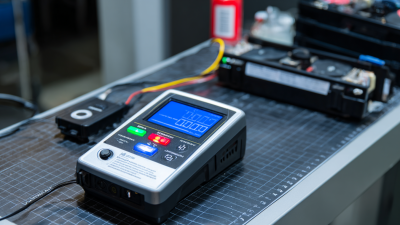
In today’s fast-changing world of energy storage, Li-ion Battery Checkers have become pretty much essential tools. They help make sure lithium-ion batteries last longer and perform better. Did you know that, according to industry reports, lithium-ion batteries are expected to make up around 58% of the global battery market by 2025? That’s a huge chunk! As the demand for efficient energy solutions continues to grow worldwide, Shenzhen Hongda New Energy Co., Ltd. is definitely leading the pack. They've managed to build a solid customer base of over a thousand clients across different countries and regions. 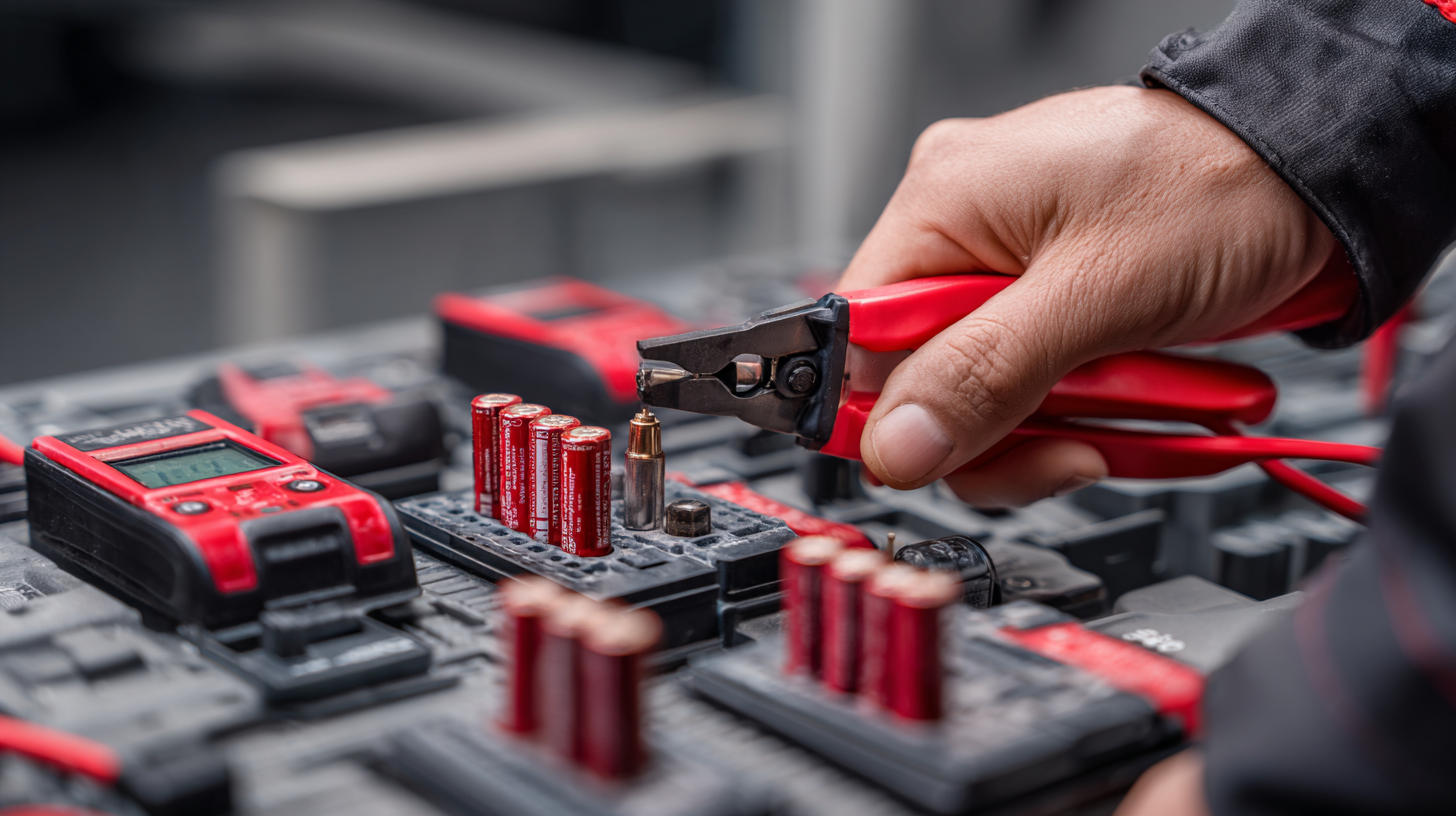 In this guide, I’ll walk you through, step by step, how to get the hang of using Li-ion Battery Checkers. It’s all about mastering the tool so you can manage your batteries better and boost your energy system's performance. Knowing why these checkers are so important—and understanding how to use them—is super key for businesses trying to stay competitive in the booming renewable energy world.
Understanding the Essential Features of Li-Ion Battery Checkers for Better Decision-Making
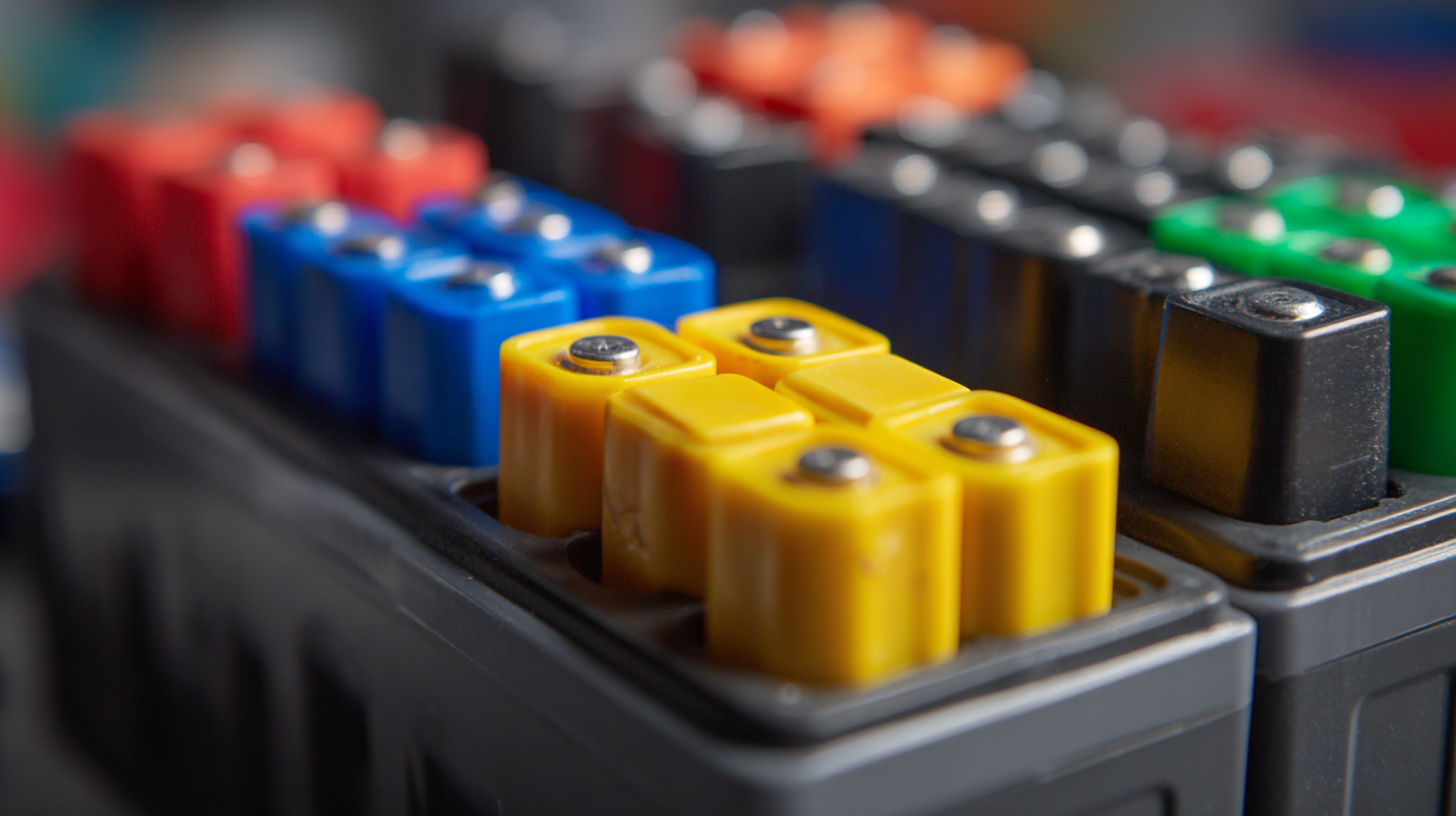 When you're picking out a Li-Ion battery checker, it’s pretty helpful to understand some of the key features so you can make a smarter choice—especially if you're shopping from all over the world. Things like how accurate the device is, how easy it is to use, and whether it works with different kinds of batteries are really worth paying attention to. For example, some of the more advanced car Battery Testers can give you reliable diagnostics, which helps keep your vehicle in good shape and avoids those annoying breakdowns. I’ve seen reviews where over70% of users say that accuracy is their top priority—because, let’s be honest, if your battery check isn’t right, it affects how long your battery will last and how well your car runs.
Pro tip: Look for battery checkers that offer detailed diagnostics. These can tell you stuff like how much capacity is left, the overall health of the battery, and how many charge cycles it’s been through—really useful info when you're trying to decide if your battery needs replacing or just a quick jumpstart. Also, it’s smart to go for a device that works with different types of batteries; that way, you won’t have to buy multiple gadgets down the line, saving you some cash.
And don’t forget to check if the device can generate reports easily or sync with other software. Tech in this space, like machine learning features, can really take the guesswork out of assessing your battery’s health, especially when dealing with complex data. Picking a checker with these kinds of features makes figuring out what your battery needs way easier and can help extend its lifespan—all in all, making your decision much simpler and more effective.
Evaluating Battery Capacity and Health: Key Metrics and Industry Standards
When it comes to evaluating Li-ion batteries, it’s super important for buyers worldwide to really understand both how much they can store — that’s the capacity — and their overall health. So, capacity is usually measured in milliampere-hours (mAh), which basically shows how much charge a battery can hold. Did you know? According to the International Energy Agency, the average capacity of consumer-grade Li-ion batteries has really bumped up over the years — from about 2,500 mAh back in 2010 to over 6,000 mAh in 2022. That’s a pretty big jump and definitely reflects how much battery tech has improved, giving us longer-lasting devices and better performance.
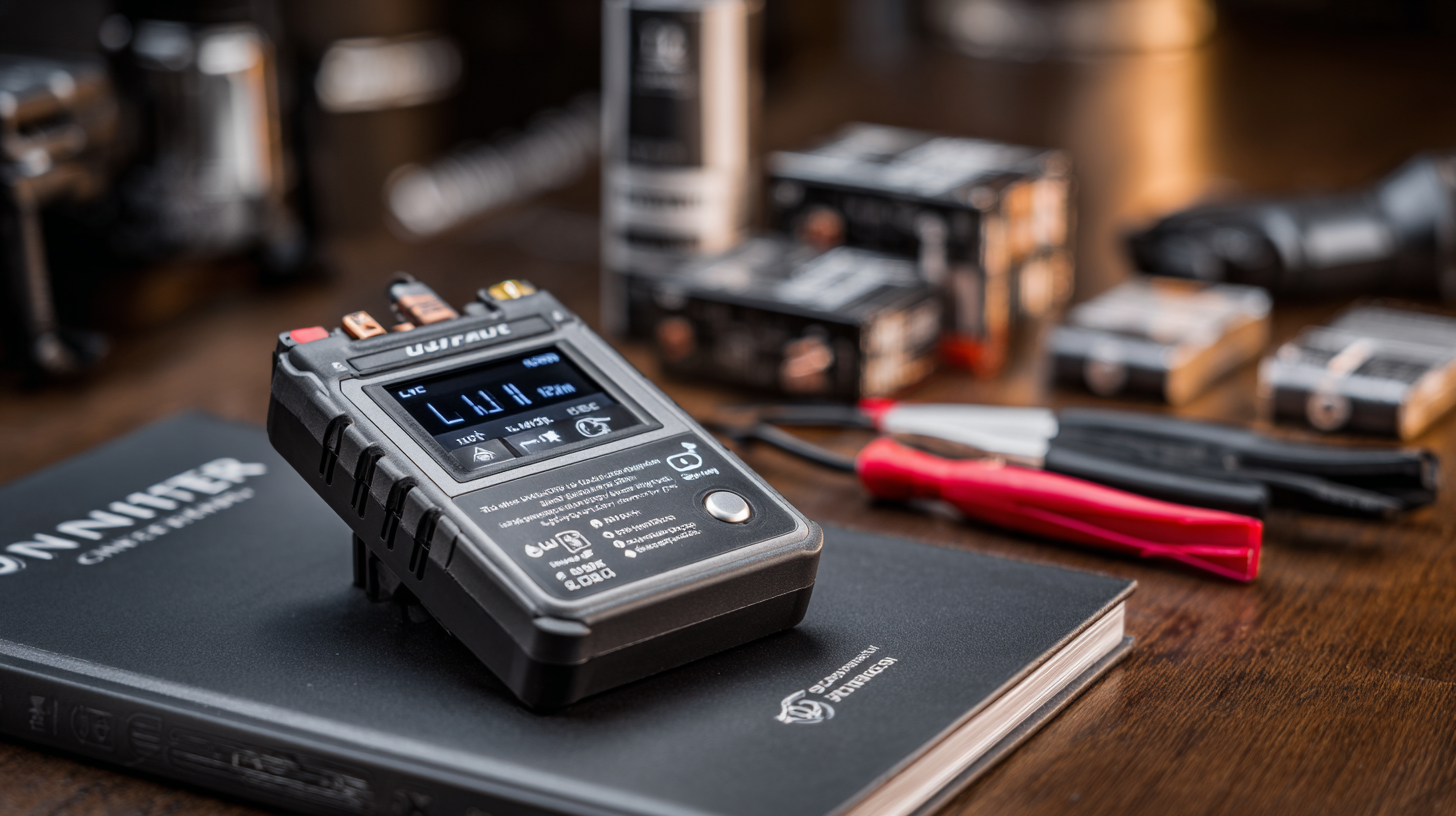
But, it’s not just about how much power a battery can pack — we’ve also got to think about its health to make sure it’s safe and will last as long as possible. Important factors here include things like cycle life (that’s how many times a battery can be charged and discharged before it starts losing capacity) and internal resistance (which affects how well it performs and can even cause overheating). The Battery 2030+ initiative points out that a solid high-quality Li-ion battery should last over 1,000 cycles before its capacity drops below about 80%. Also, if internal resistance gets too high, you might notice your device overheating or running less efficiently, so it’s a good idea for buyers to look out for specs that mention these things. Overall, doing a bit of homework when checking out Li-ion batteries is totally worth it — it helps ensure you’re getting something safe, reliable, and fit for whatever you need it for.
Interpreting Data Outputs: How to Read and Analyze Battery Checker Results
Figuring out how to read the data from battery testers is super important for global buyers who want to make sure their lithium-ion batteries are performing at their best. When you're looking at the results from a battery checker, it's a good idea to pay attention to key things like voltage, capacity, and internal resistance. These numbers give you a pretty good idea of how healthy and efficient the battery is, so you can decide whether it needs maintenance or might need to be replaced.
But it’s not just about the numbers — bringing in real-world electric vehicle data can really boost your analysis. By gathering sensor data over time, you start to notice patterns that might show the battery is wearing out or not working as efficiently as it should. For example, if voltage keeps fluctuating a lot, that could be a sign of some deeper issues that need fixing. Getting the hang of how to interpret these results can really help you extend your battery's lifespan and get the most bang for your buck with your lithium-ion batteries.
All in all, understanding these details can make a huge difference in keeping your batteries healthy and running smoothly, which is what really matters in the long run.
Battery Capacity and Voltage Analysis
Top Brands and Models of Li-Ion Battery Checkers: A Comparative Analysis
Deciding on a Li-Ion battery checker can honestly feel pretty overwhelming with so many brands and models out there. You’ve probably heard of big names like Fluke, E-SCAN, and Victron Energy—they've built quite a reputation over the years. I came across a report from MarketsandMarkets that predicts the global Li-Ion battery market will hit around $116 billion by 2026. That really shows just how much demand there is for good, reliable battery management tools right now. The report also highlights how crucial it is to have dependable checkers — they help extend battery life and boost efficiency, which is especially important for industries that rely a lot on battery-powered gadgets.
When you're shopping around, it’s a good idea to think about factors like measurement range, accuracy, and extra features—things like connectivity options. For example, Fluke’s models are known for being tough as nails and super precise, making them great for professional use. On the other hand, Victron Energy tends to be more user-friendly, which makes their models a hit with both pros and hobbyists alike.
**A quick tip**: Don’t forget to double-check if your battery checker is properly calibrated because accuracy can drift over time. Keeping up with regular maintenance and updates is also key to making sure it performs well. And if you go for something with Bluetooth, you can monitor your battery health remotely—pretty handy, right? It gives you more convenience and keeps you in the loop about your batteries’ status without fussing too much.
Mastering the Art of Li Ion Battery Checkers: A Step-by-Step Guide for Global Buyers
| Model | Voltage Range (V) | Current Measurement (A) | Display Type | Price Range (USD) | Battery Types Supported |
| Checker A | 3.0 - 4.2 | 0 - 10 | LCD | 50 - 100 | Li-Ion, Li-Po |
| Checker B | 2.5 - 4.5 | 0 - 20 | LED | 75 - 150 | Li-Ion, Li-Fe |
| Checker C | 3.2 - 4.2 | 0 - 5 | Digital | 30 - 80 | Li-Ion, Li-Po, Li-Fe |
| Checker D | 3.0 - 4.4 | 0 - 15 | LCD | 60 - 120 | Li-Ion, Li-Po |
| Checker E | 2.8 - 4.3 | 0 - 25 | LED | 70 - 140 | Li-Ion |
Maintaining Accuracy: Best Practices for Regular Calibration and Maintenance
If you want your Li-Ion battery checker to give you accurate and reliable readings, it’s really important to keep up with regular calibration and maintenance. Over time, things like temperature changes and how often you use it can cause the device to drift away from its original settings, which can mess with the readings. Honestly, I’d recommend giving it a calibration about once every six months—just using a known good battery with a steady voltage as a reference. If you notice the readings are off, then it’s definitely time to recalibrate.
Apart from that, taking good care of your device is key to making it last longer. Keep it clean, and store it in a dry spot where it’s not exposed to extreme temps—that stuff can really mess with it. Also, make sure to check the connectors and battery terminals now and then for any signs of corrosion or wear, and swap them out if needed. And for goodness’ sake, handle it gently—don’t drop or slam it around. Keeping it in good shape not only prevents mechanical failures but also makes sure you’re getting accurate info for years down the line.
Cost vs. Performance: Maximizing Your Investment in Battery Testing Equipment
When you're thinking about investing in Li-ion battery testing equipment, finding that sweet spot between cost and performance is super important—especially if you're buying on a global scale. I recently saw a report from Market Research Future saying that the worldwide battery testing service market is expected to grow at a pretty healthy rate of over 9% from 2021 to 2027. That honestly makes it clear just how vital good quality battery testers are becoming, with more industries needing reliable battery performance than ever.
At Shenzhen Hongda New Energy Co., Ltd., we totally get it—making sure you get the most out of your investment means weighing both price and quality carefully. Sure, cheaper options might catch your eye, but they often cut corners on accuracy and reliability. It’s really worth taking the time to look at the technical specs, read customer reviews, and see what kind of after-sales support a supplier offers. Going for top-notch equipment might cost a bit more upfront, but in the long run, it’ll save you time, money, and headaches—plus, it’ll help you keep up with the rising demand for top-tier battery performance.
**Tip 1:** Don’t forget to compare warranties and support services across different brands. A solid after-sales service can save you a lot of trouble if something goes wrong.
**Tip 2:** Think about equipment that comes with smart features—like automated testing and real-time monitoring. These not only boost efficiency but also help cut down on manual mistakes, leading to better results overall.
**Tip 3:** And lastly, go for suppliers that have a good reputation—like Shenzhen Hongda New Energy. They've worked with over a thousand customers around the world, so their experience can really help you find the most effective testing solutions for your needs.
FAQS
: Battery capacity, measured in milliampere-hours (mAh), indicates how much charge a battery can hold.
The average capacity has increased from 2500 mAh in 2010 to over 6000 mAh in 2022, reflecting advancements in battery technology.
Assessing battery health is crucial for ensuring safety and longevity, with key metrics like cycle life and internal resistance impacting overall battery performance.
A high-quality Li-ion battery should exceed 1000 cycles before its capacity falls below 80%, as emphasized by the Battery 2030+ initiative.
Key performance indicators such as voltage levels, capacity measurements, and internal resistance should be focused on to assess battery health and efficiency.
Analyzing real-world data helps identify trends over time that may indicate deterioration or inefficiencies within the battery pack.
Buyers should balance cost and performance, evaluating technical specifications, customer reviews, and after-sales service for the best investment.
Features like automated testing and real-time monitoring capabilities can reduce manual errors and enhance overall battery performance.
It's important to compare warranty and support services offered by different manufacturers to ensure strong after-sales assistance.
Suppliers with a solid reputation can provide invaluable insights into effective battery testing solutions, having successfully served many customers globally.
Conclusion
In our blog titled "Mastering the Art of Li-Ion Battery Checkers: A Step-by-Step Guide for Global Buyers," we really get into what these tools are all about—covering their key features and capabilities to help you make smarter choices. Whether you're evaluating battery capacity and health with industry-standard metrics or trying to interpret data outputs, we’ll walk you through it all. Plus, you'll find a helpful comparison of top brands and models to see what’s really worth your money. We also talk about why regular calibration and proper maintenance are so important for keeping these tools accurate, and we touch on balancing cost with performance so you can get the best bang for your buck.
On top of that, Shenzhen Hongda New Energy Co., Ltd. has been leading the way with innovative solutions in the energy sector, supporting over a thousand customers around the globe. As demand for reliable Li-Ion Battery Checkers continues to grow, our experience and wide sales network mean we're well-equipped to help customers find the perfect fit for their energy needs. We're here to make sure you’re making the best decision possible when it comes to battery testing gear.

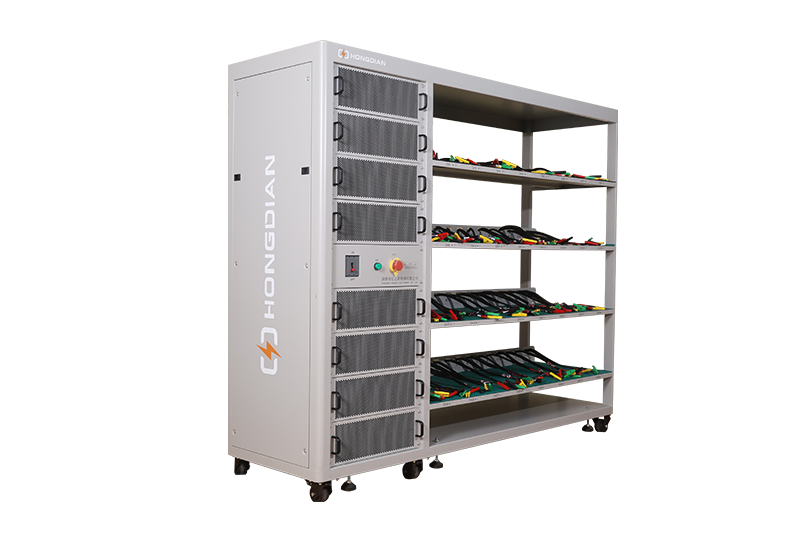 32/48 channel battery charging and discharging test integrated battery cabinet
 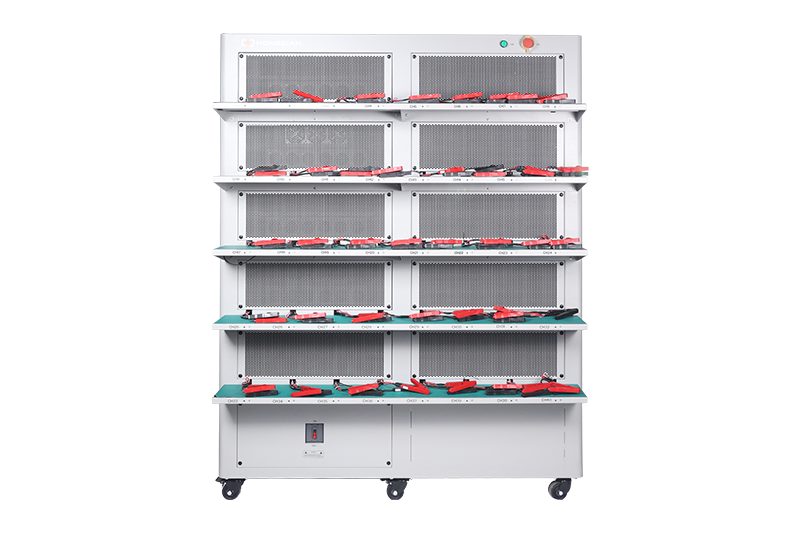 40 channel battery charging and discharging test integrated battery cabinet
  64 channel battery charging and discharging test integrated battery cabinet
 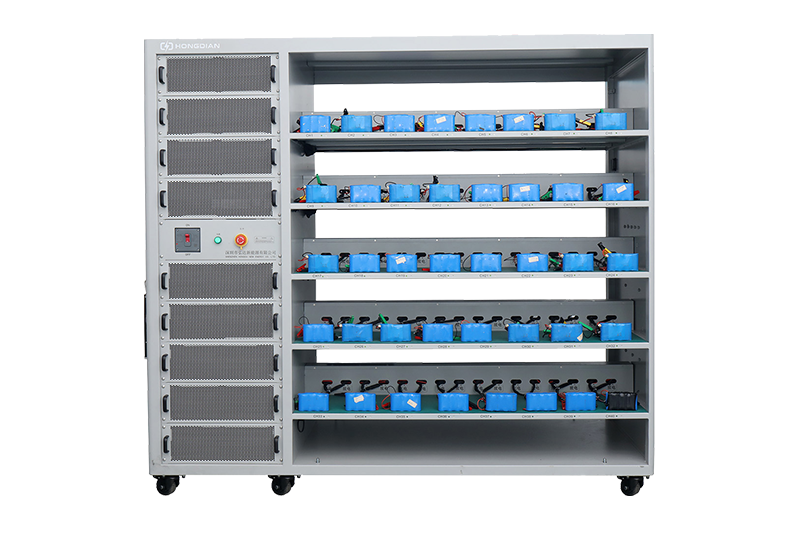 80 channel battery charging and discharging test integrated battery cabinet
 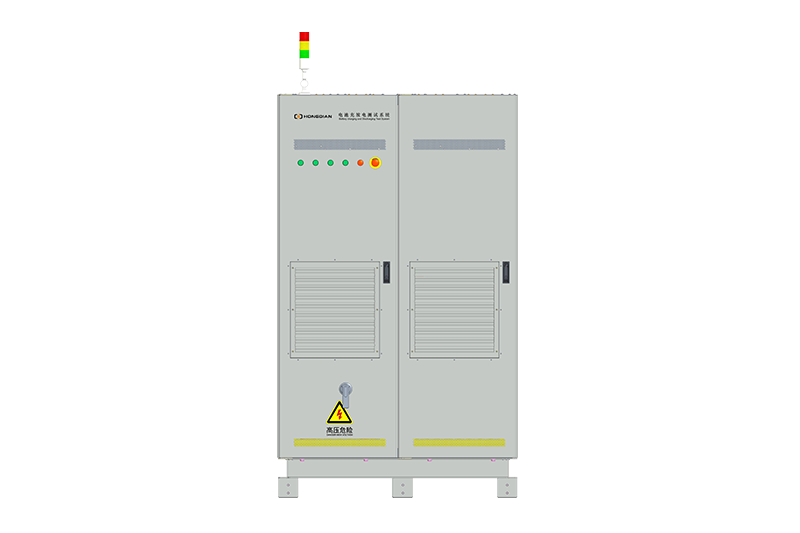 1000V-1500V High Voltage High Current Battery Testing System
 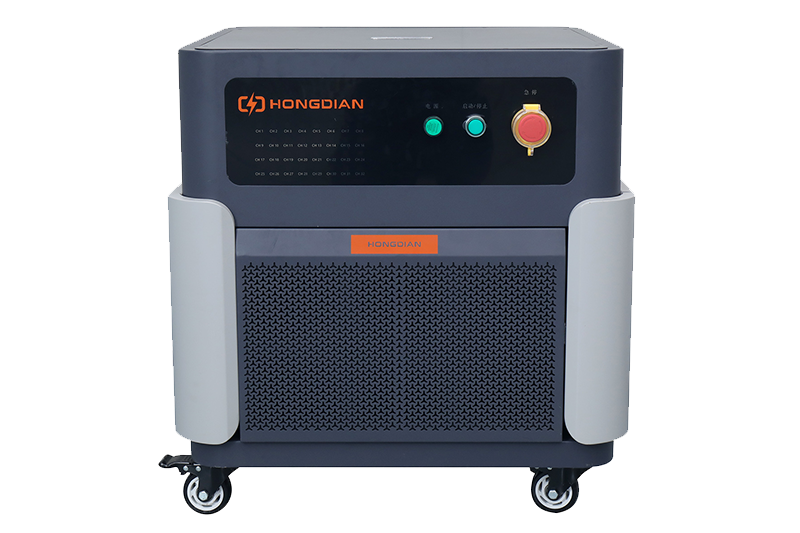 High-Precision Battery Testing System for Enhanced Performance Monitoring 30V/60V/100V/120V
 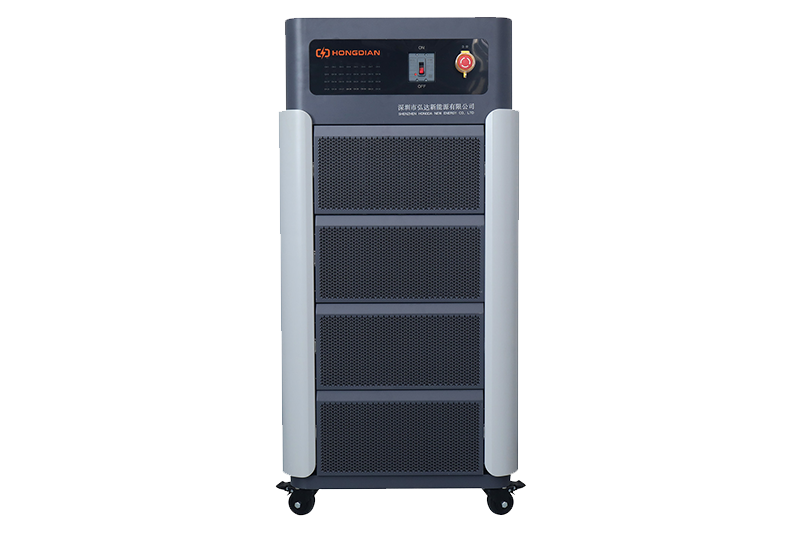 High-Precision Battery Charge Discharge Test Systems for EV Manufacturers
 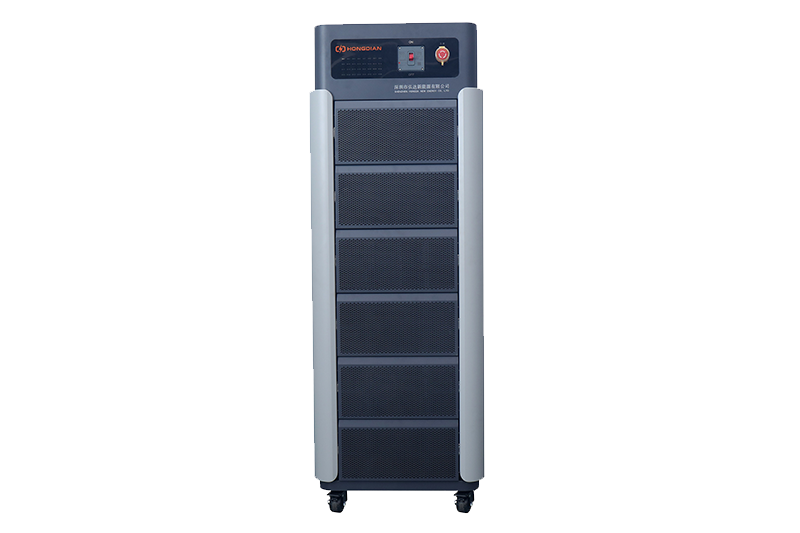 Precision Battery Test Racks for Cell Capacity & Internal Resistance Measurement
 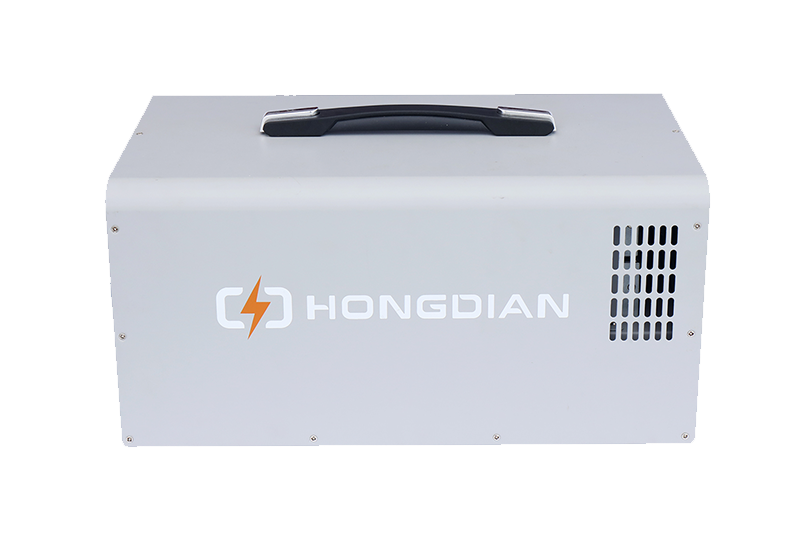 Multi-Channel Battery Testing Equipment for Parallel Performance Analysis